No posts match that yet. Try another word or domain.
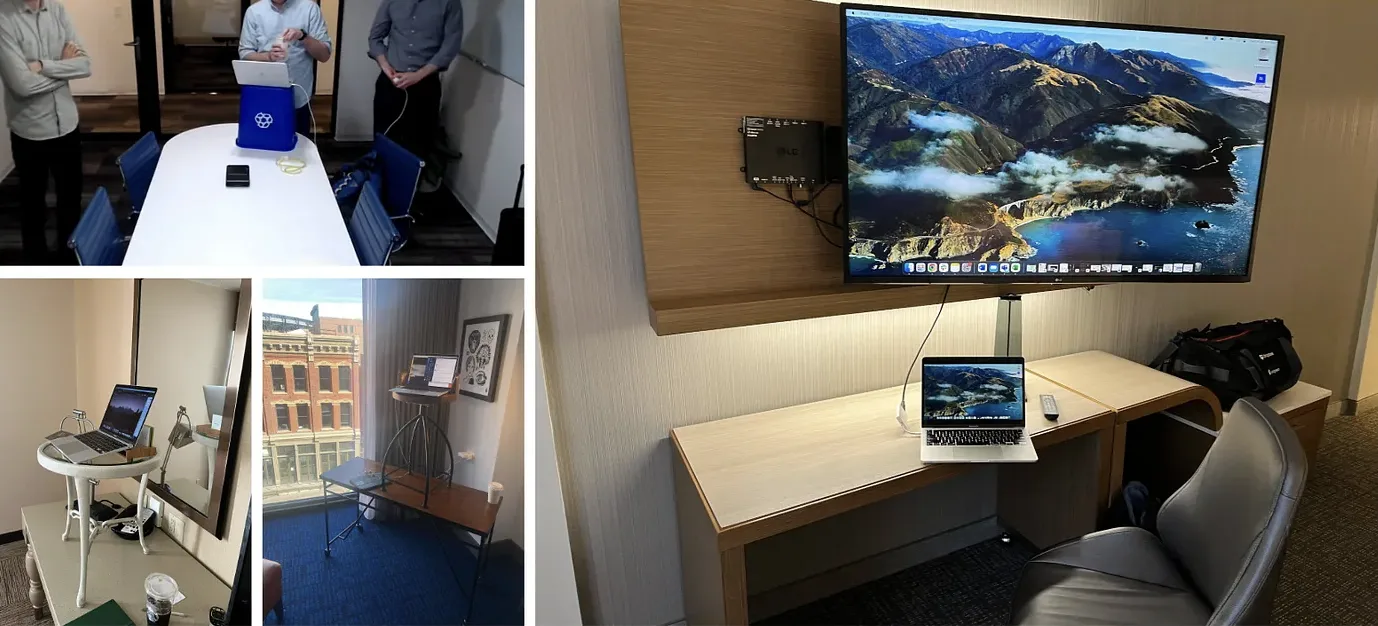
The Healthy Desk Setup
Sitting, standing, or walking? What the research actually says about desk setups, and why the best posture is your next posture.

Back to School
Kids spend roughly 15,600 hours inside a school building by graduation. How classroom air, light, noise, and pests affect health and learning.

Aging In Place
About 10,000 Americans turn 65 every day, but only 10% of homes are built for it. My room-by-room healthy home checklist for aging in place.
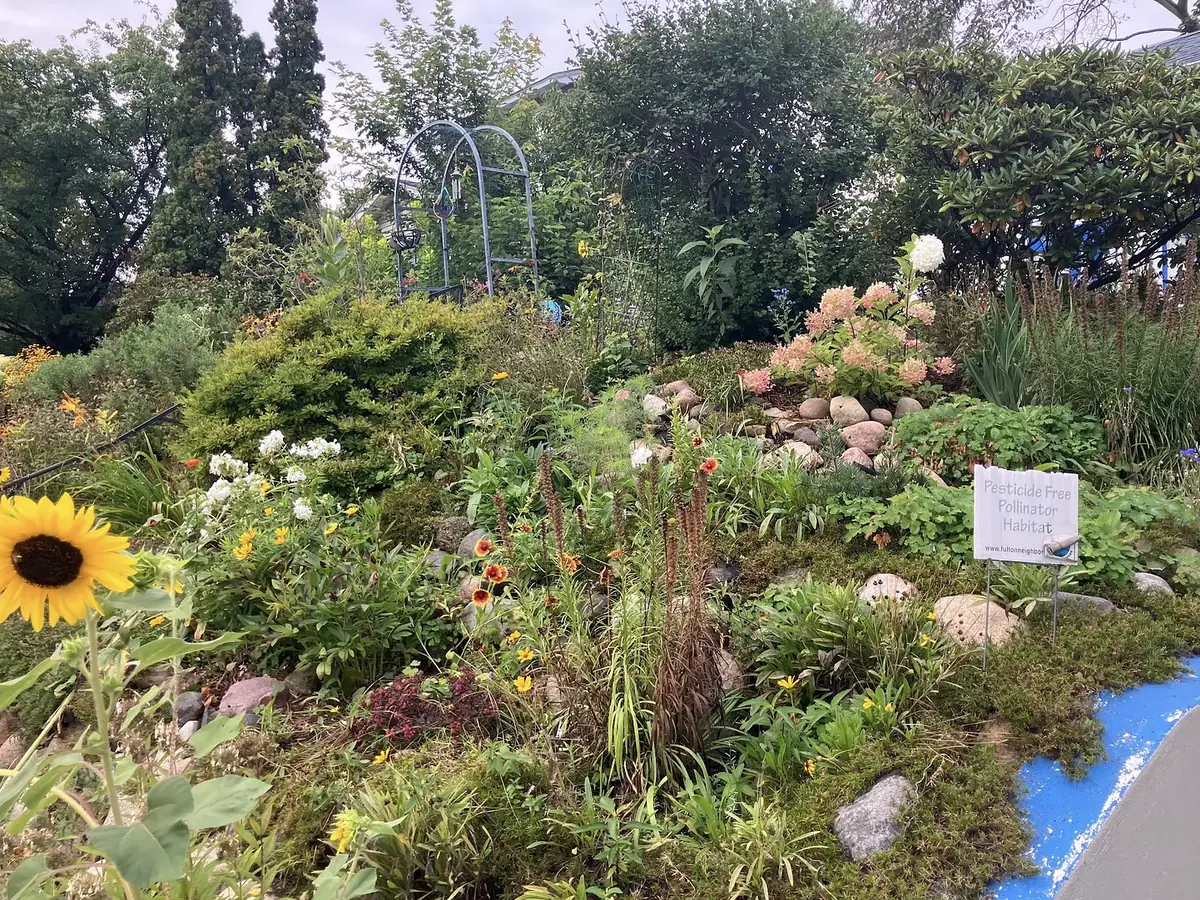
The Lawn
Turfgrass is the single largest irrigated crop in the U.S., and we spray 90 million pounds of chemicals on it every year. The case for the biodiverse lawn, and how to start one.
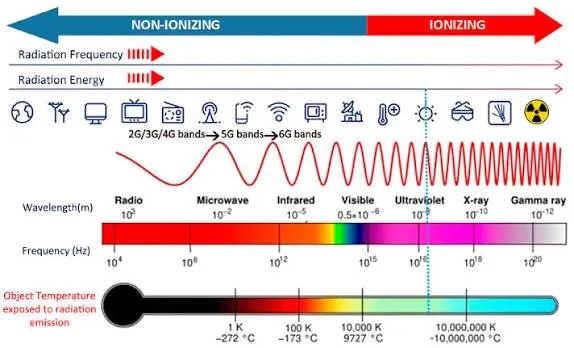
Are EMFs Bad?
Ionizing vs. non-ionizing, thermal vs. non-thermal, and a genuinely messy body of research. Where I land, and the cheap, no-downside changes I actually make.
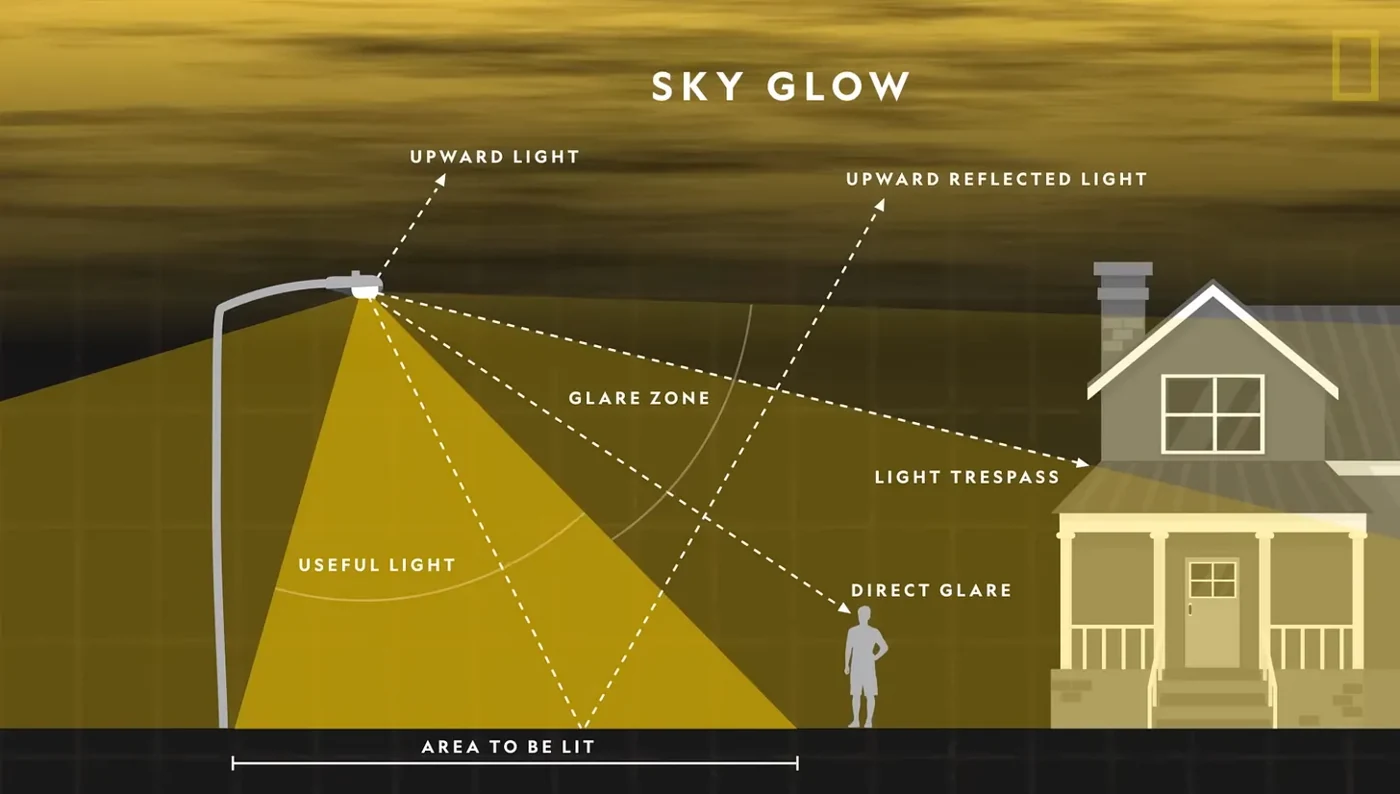
Artificial Light Pollution
99% of people in the U.S. and Europe live under skies bright enough to dim the stars — and the same light at night disrupts our sleep and health.
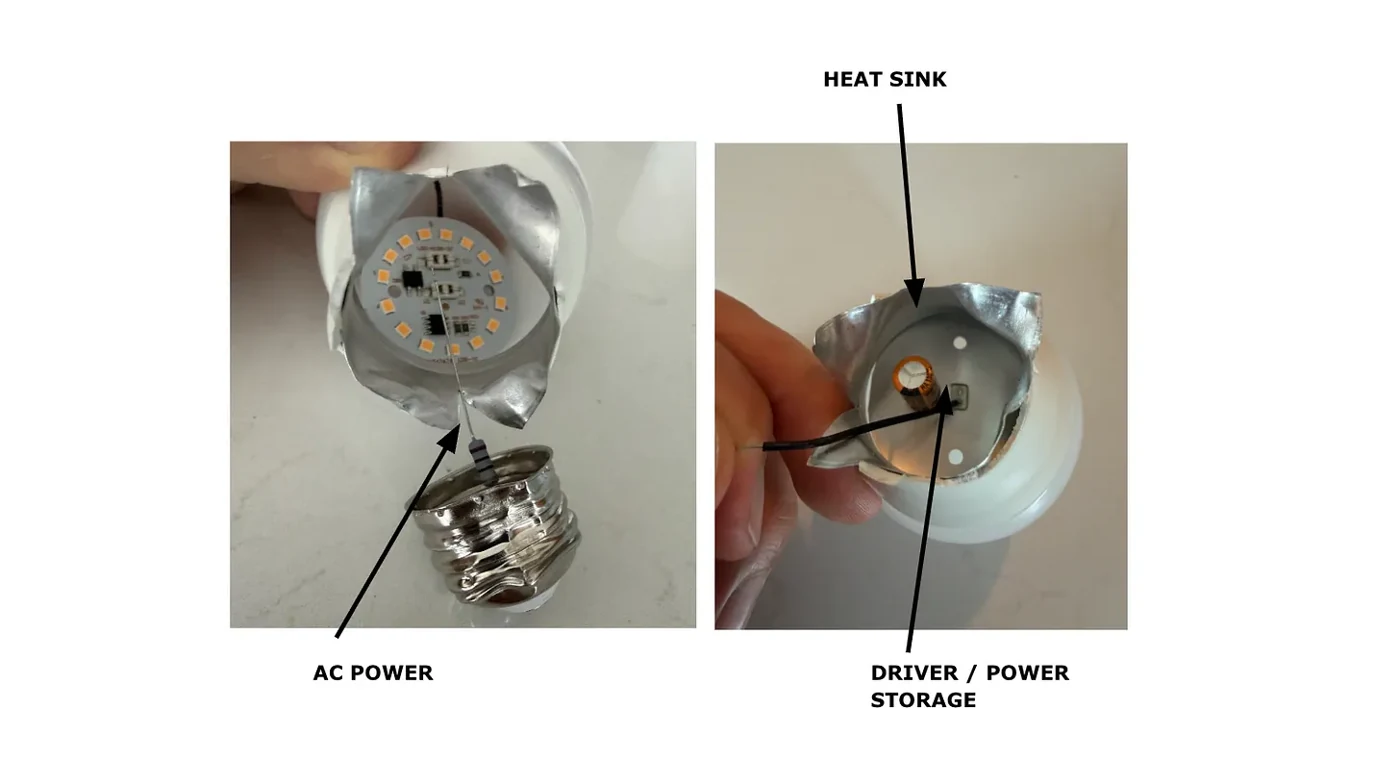
Light Emitting Diodes
LEDs went from novelty to default in a decade. What's inside a bulb, why the cheap ones flicker, and why that blue-light spike matters at night.
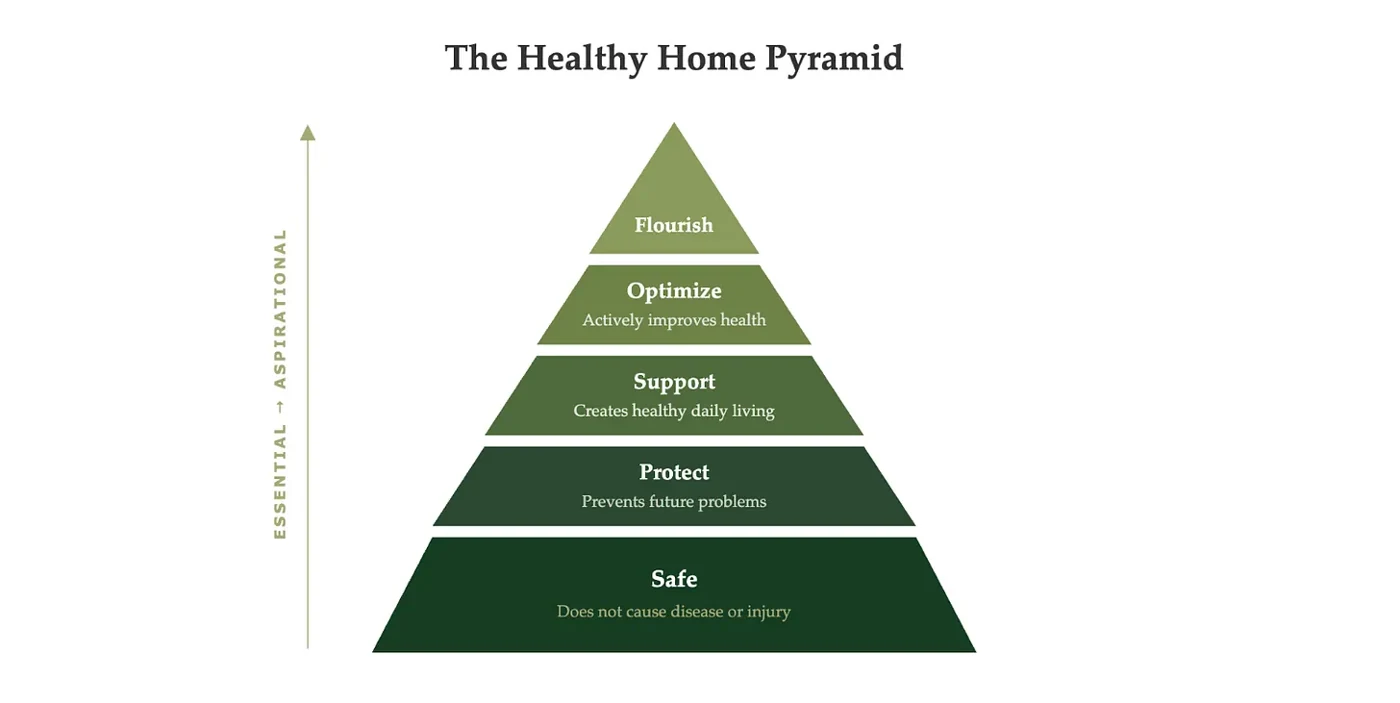
Wellness Real Estate
Mentions of wellness features in home listings rose 33% year over year. A framework for what a healthy home actually means, and where the market is headed next.
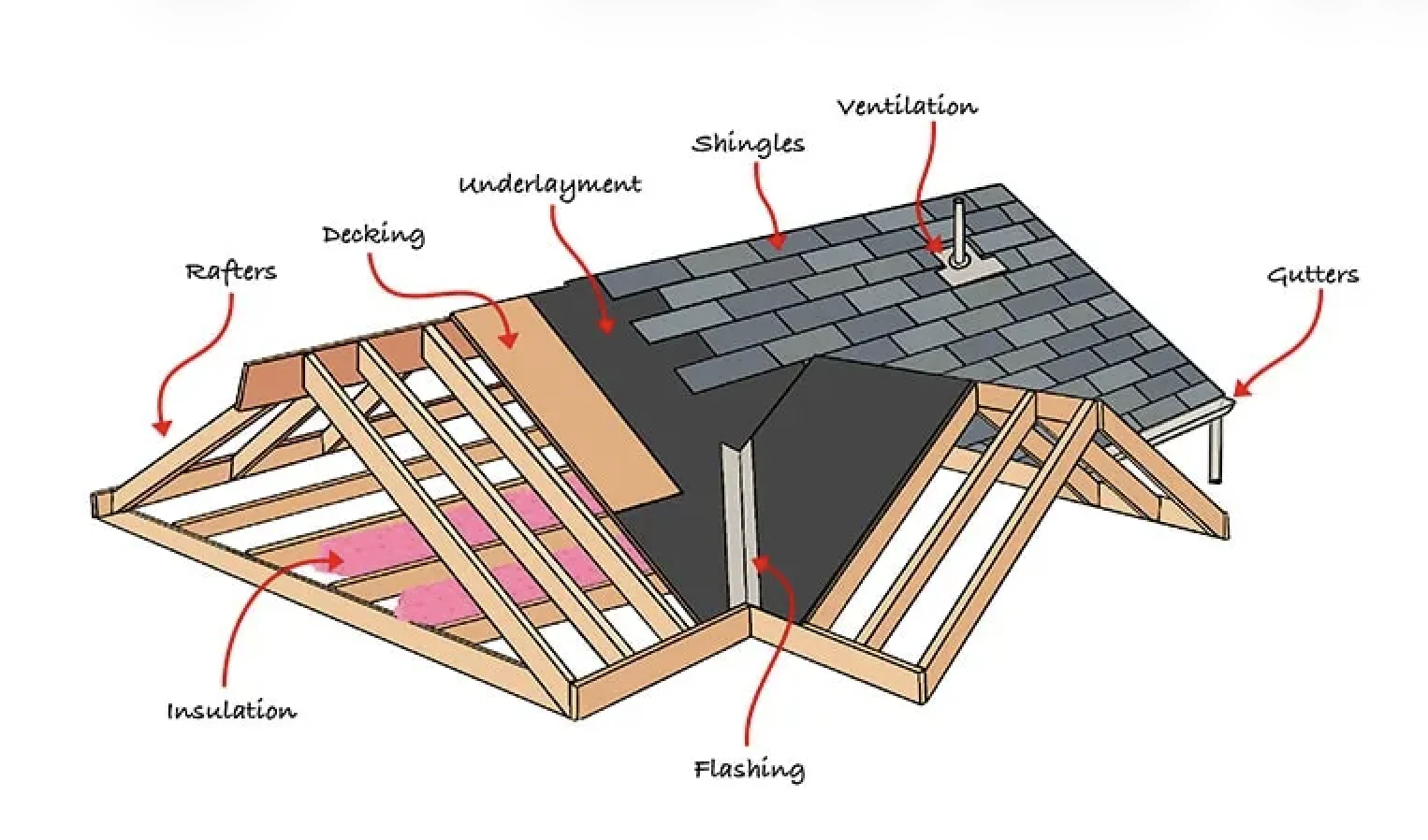
The Roofing System
A single storm can drop 1,900 gallons on your roof, and 90-95% of leaks start at flashing and penetrations. How a roof sheds water, and why it's a health issue.
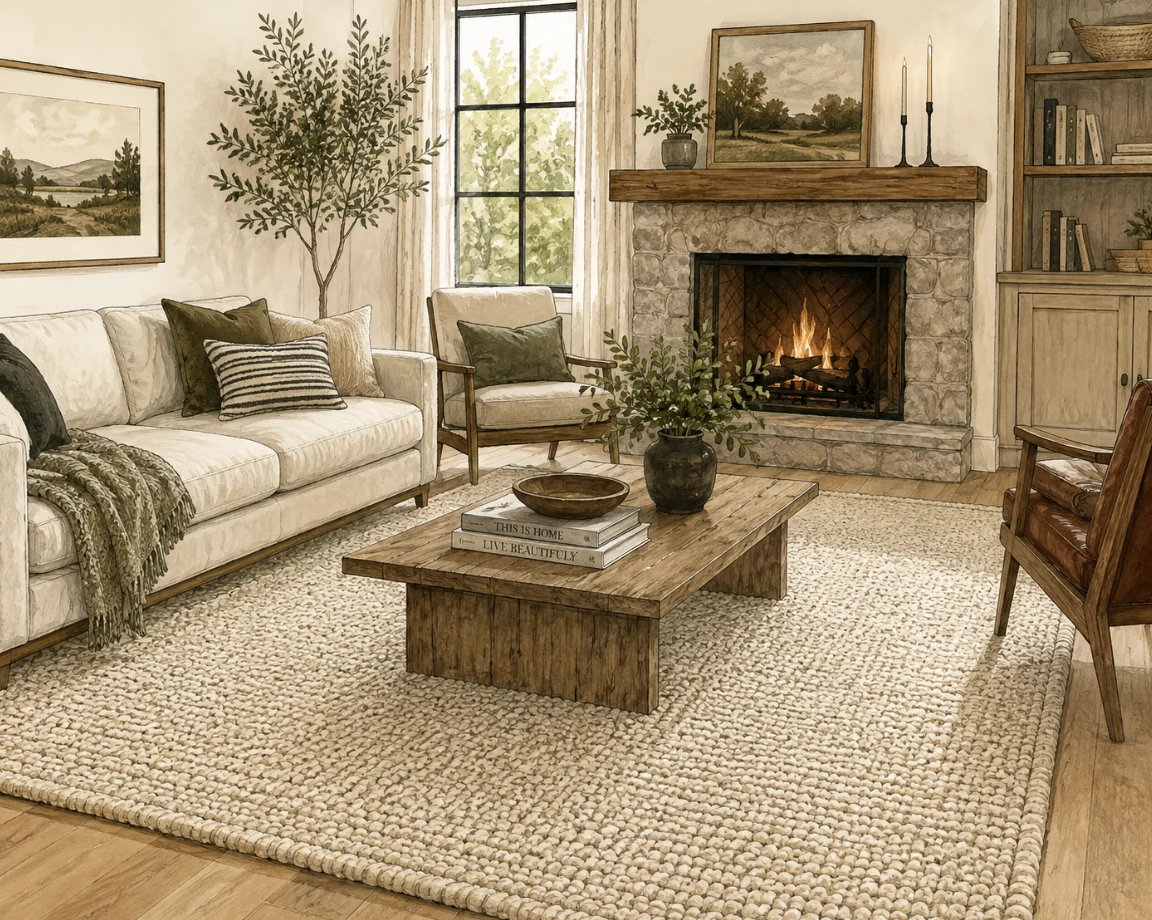
Carpet
New synthetic carpet off-gasses 40+ chemicals and holds decades of dust. The 1987 EPA carpet story, the health risks, and the natural-fiber fix.
Cookware
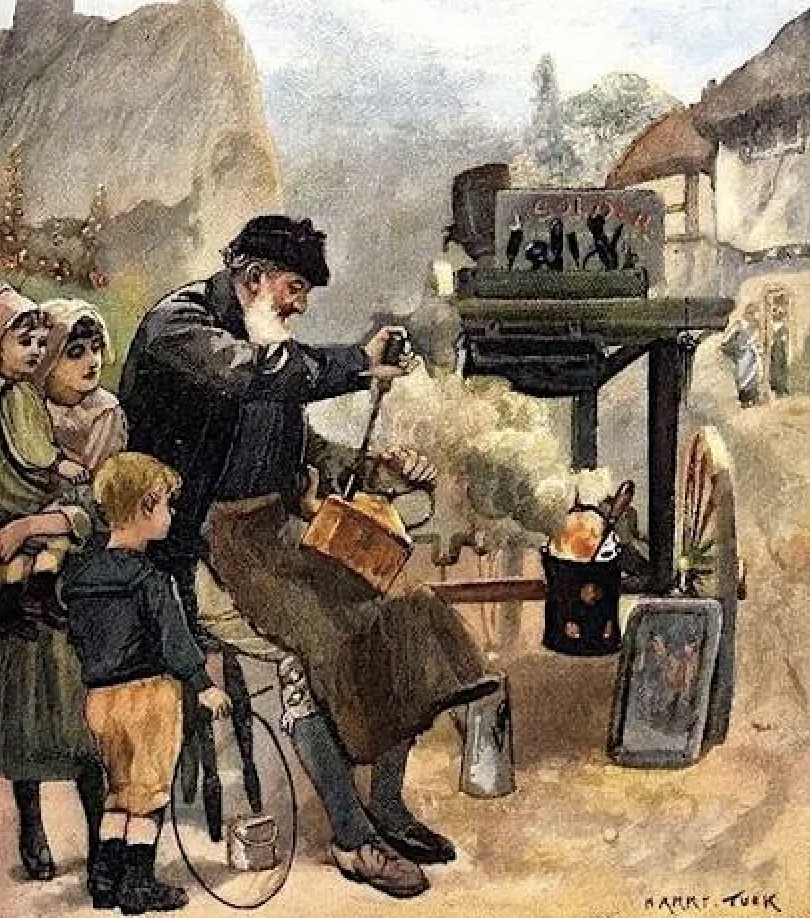
A single scratch in a nonstick pan releases about 9,100 plastic particles into your food. The history of cookware, the problem with PTFE, and what to cook on instead.
Air Quality Index
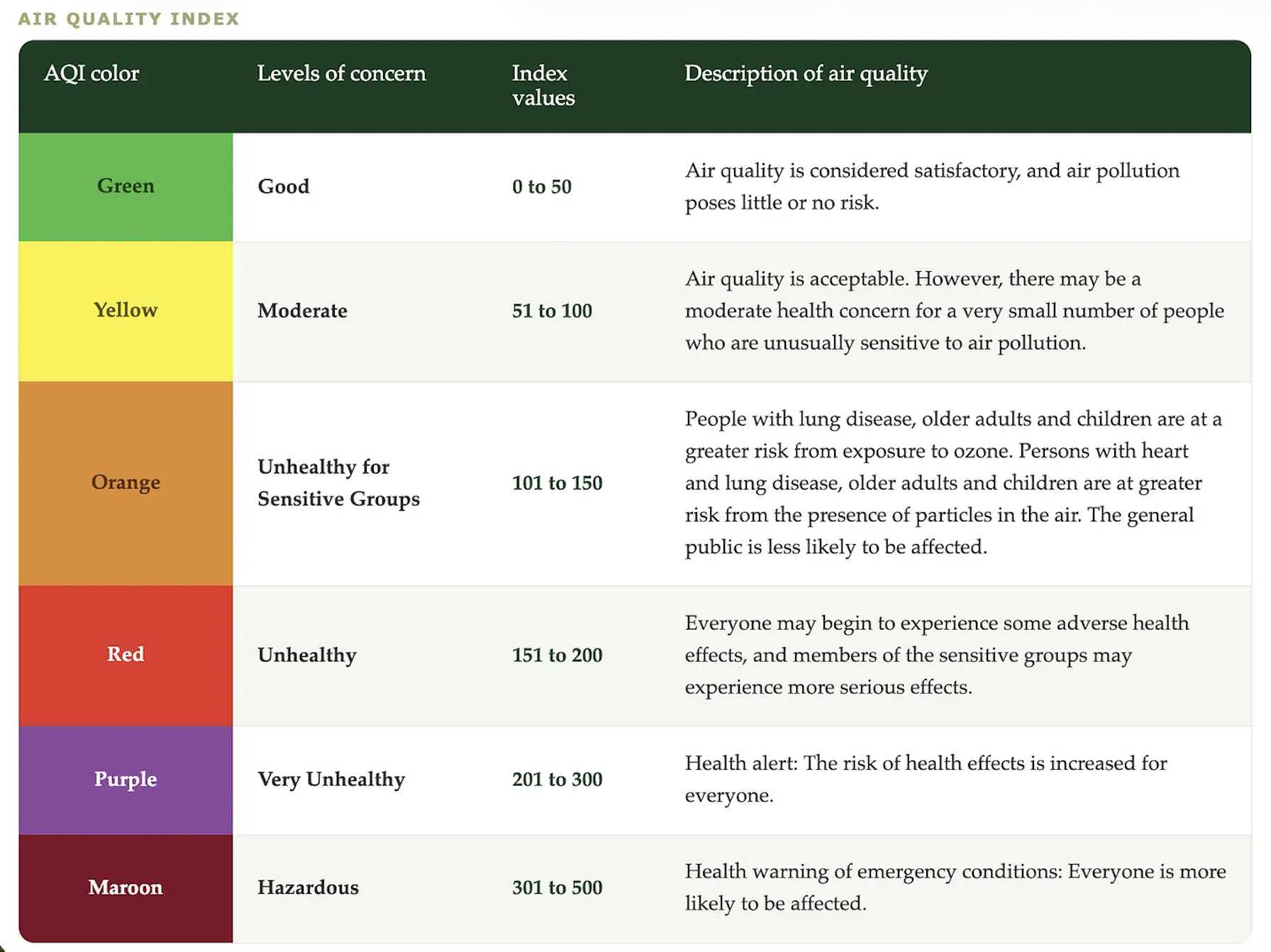
Wildfire smoke pushed Minnesota into the purple zone. What that AQI number actually means, where it came from, how it's calculated, and what to do when the air turns bad.
Asbestos
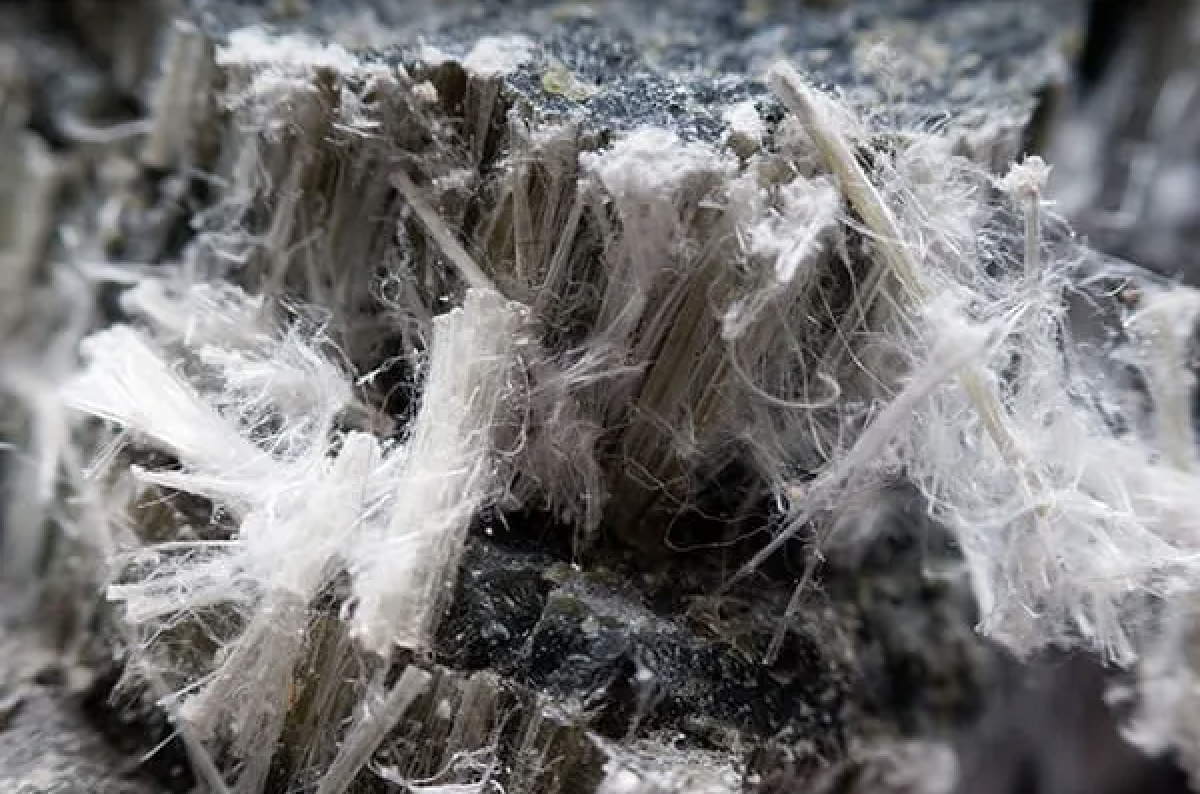
It was in most American homes built between 1910 and 1980, and there's no known safe level of exposure. Where it hides, how to test for it, and what to do if it's there.
Gas Stoves
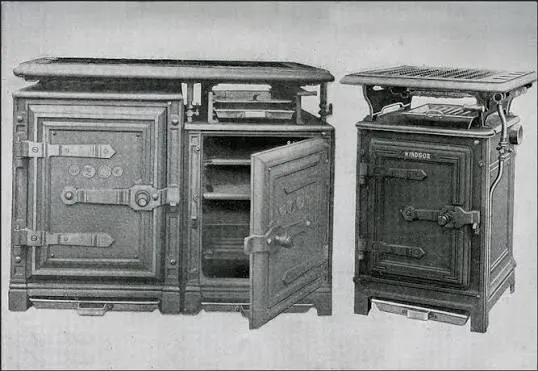
About a quarter of U.S. homes cook with gas, and it adds nitrogen dioxide and benzene to your kitchen air. The history, the health research, and your options.
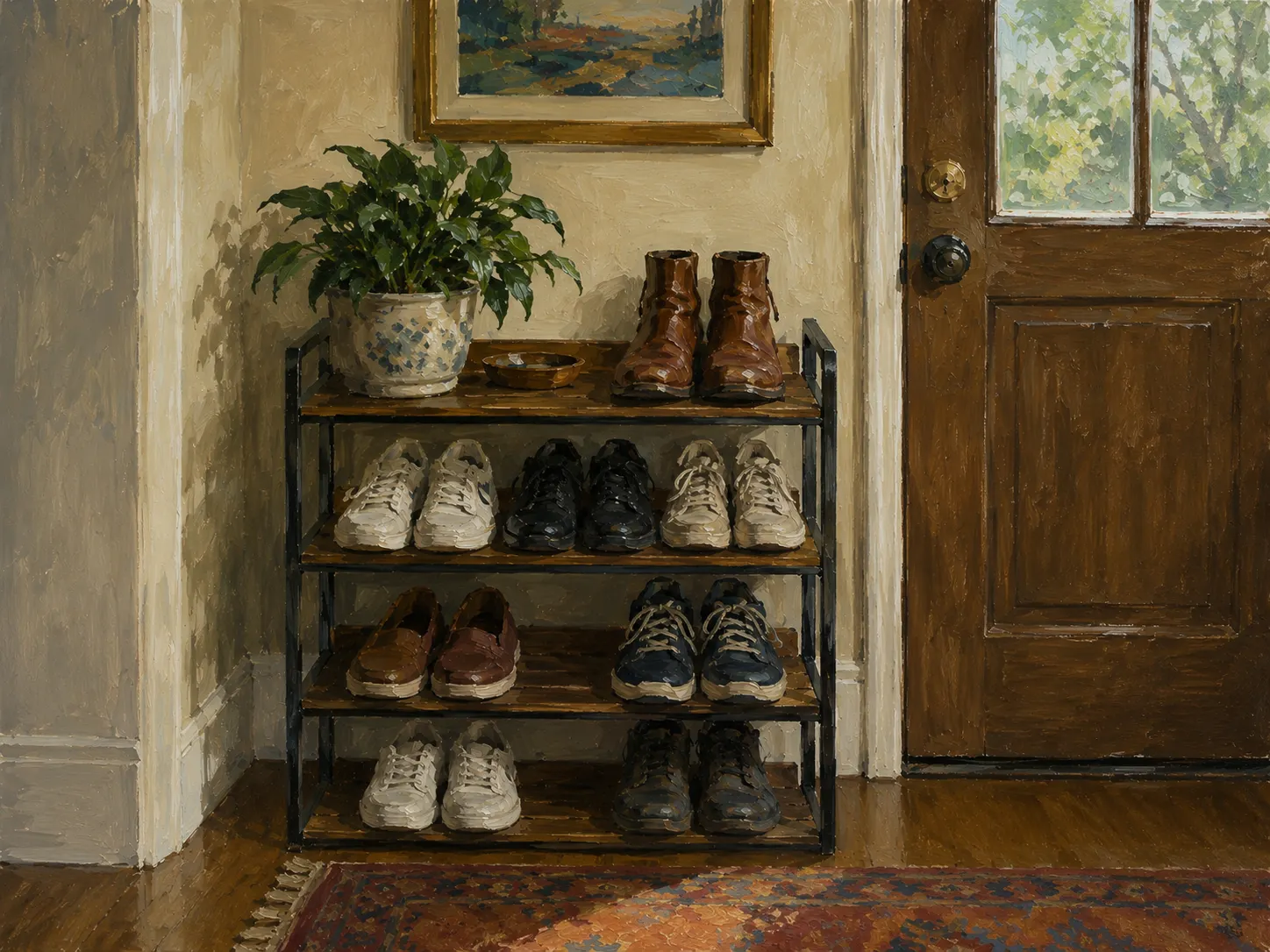
Leave The Shoes At The Door
The average shoe carries 421,000 units of bacteria, plus lead and lawn chemicals, straight onto your floors. Why most of the world goes shoes-off, and the simple fix.
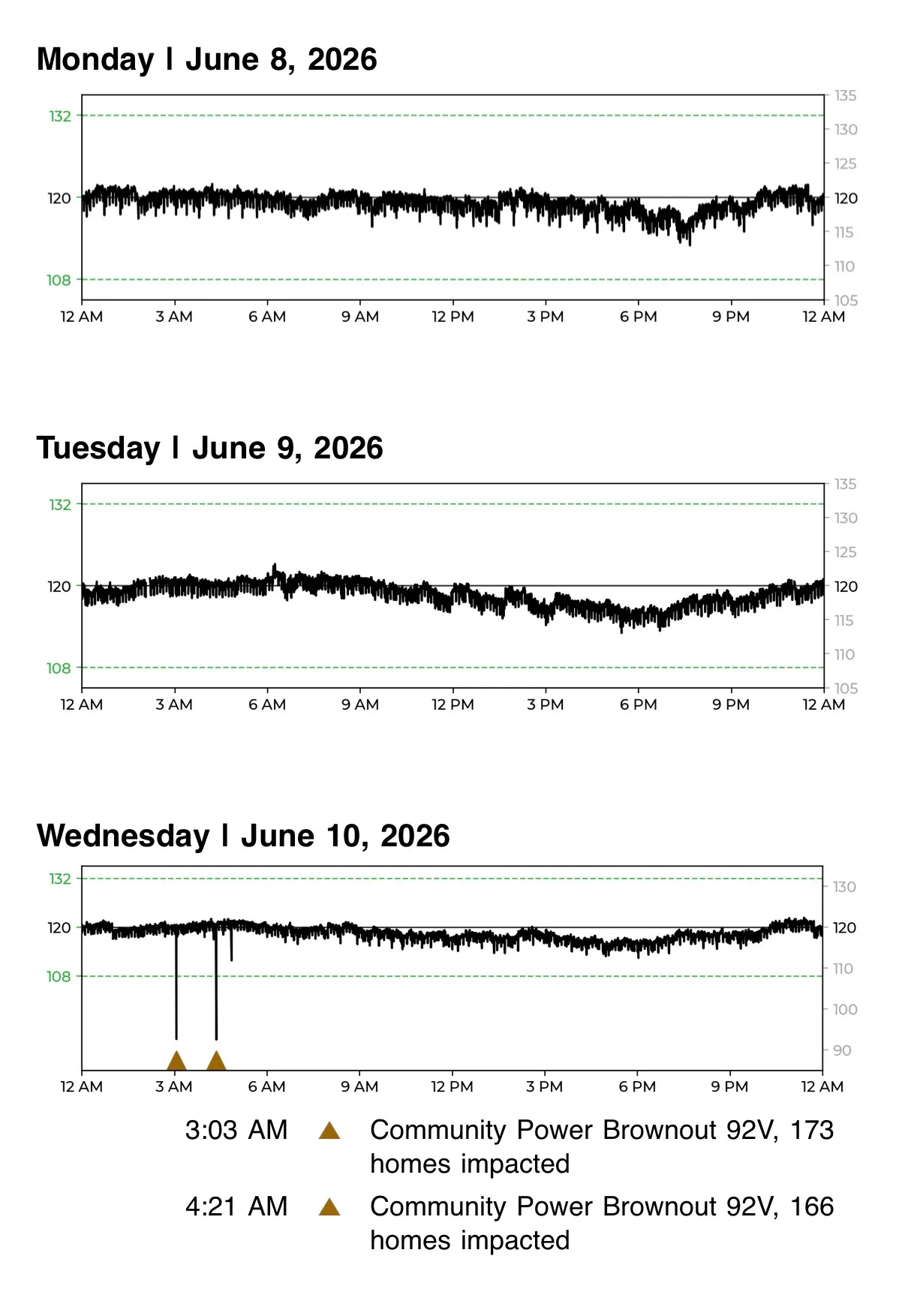
Smoke & CO Detectors
Working alarms cut your risk of dying in a home fire by 60%. The history of detectors, how home fires really start, and a 90-second monthly habit.
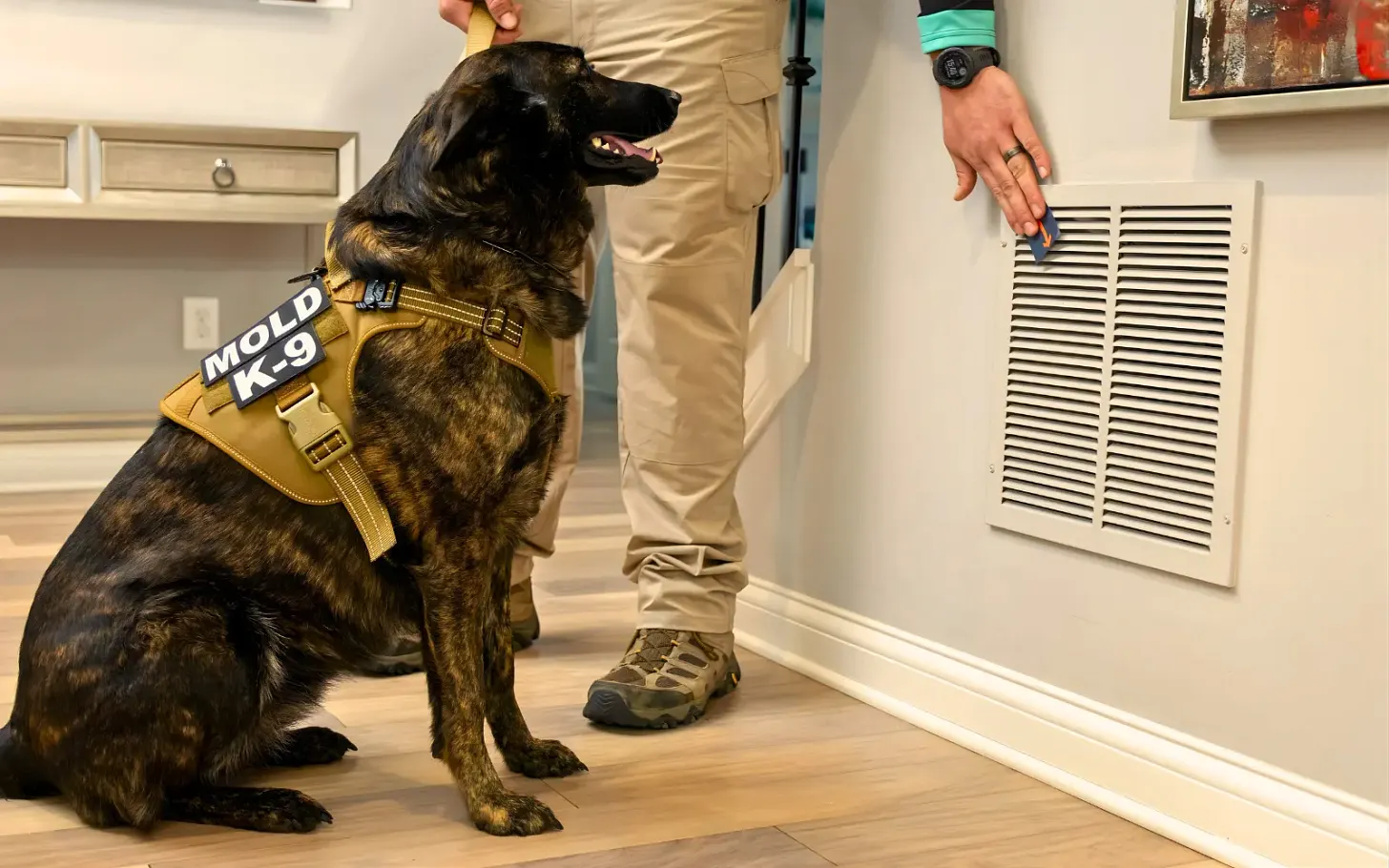
Mold Detection Dogs
Drug dogs, search and rescue dogs, and now mold dogs. How dogs with 300 million scent receptors find hidden mold that meters and infrared can't.
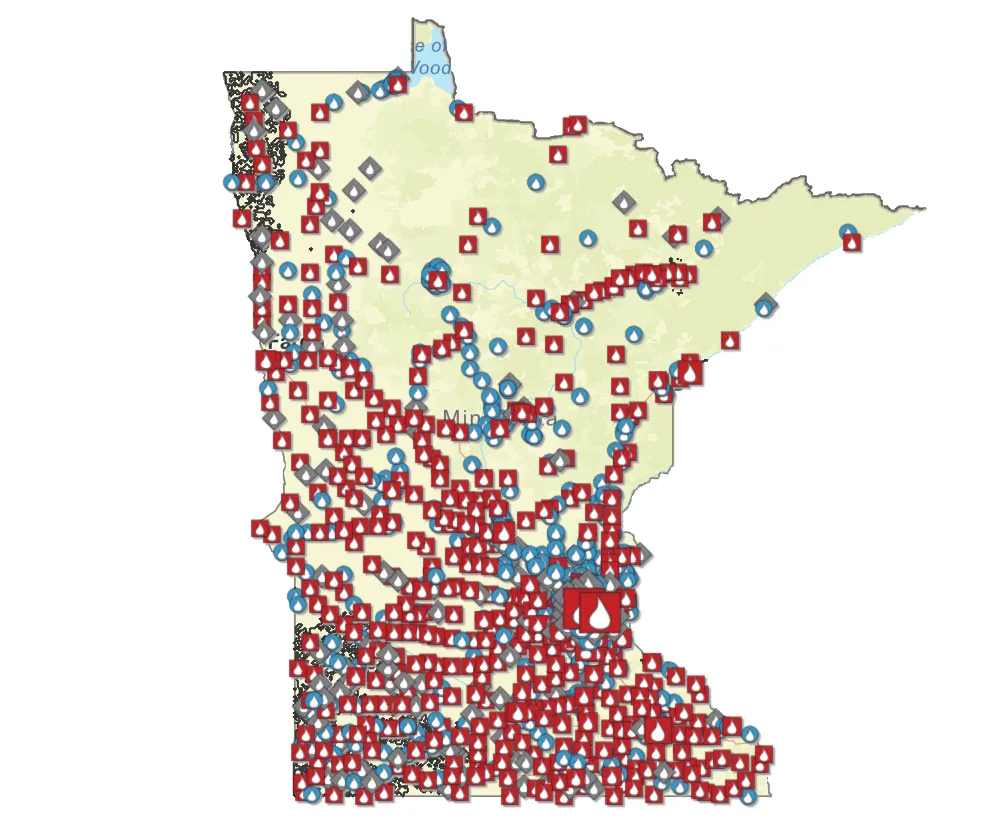
Lead in Drinking Water
The EPA estimates 4 million lead service lines are still in active use across the U.S. Here’s how lead actually gets into your water, why orthophosphate isn’t a permanent fix, and how to check your own service line.
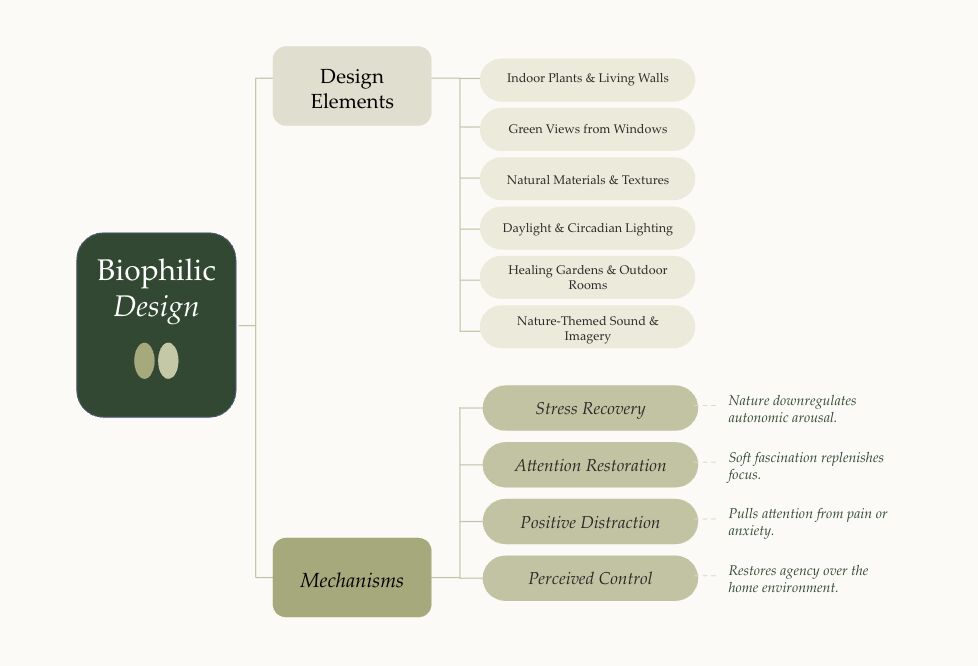
Built to Heal
In 1984, Dr. Roger Ulrich proved that hospital patients with a window view of trees recovered faster than those staring at a brick wall. Forty years later, that one study is reshaping how we think about every space we live in.
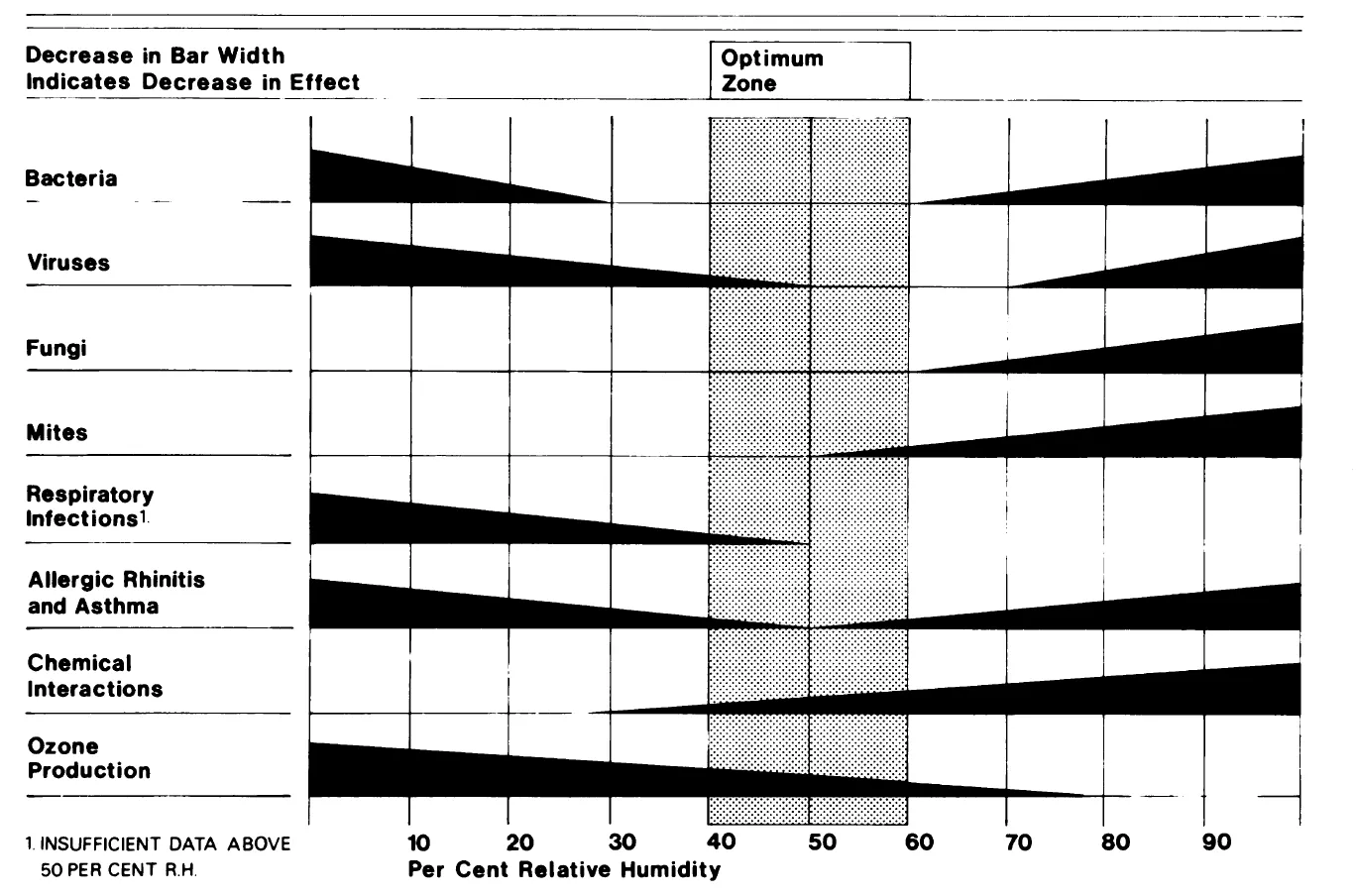
The Humidity Sweet Spot
Indoor humidity has a sweet spot between 30% and 50% — and most homes are nowhere near it. The science behind the Scofield-Sterling chart, the mold problem, and how to dial it in.
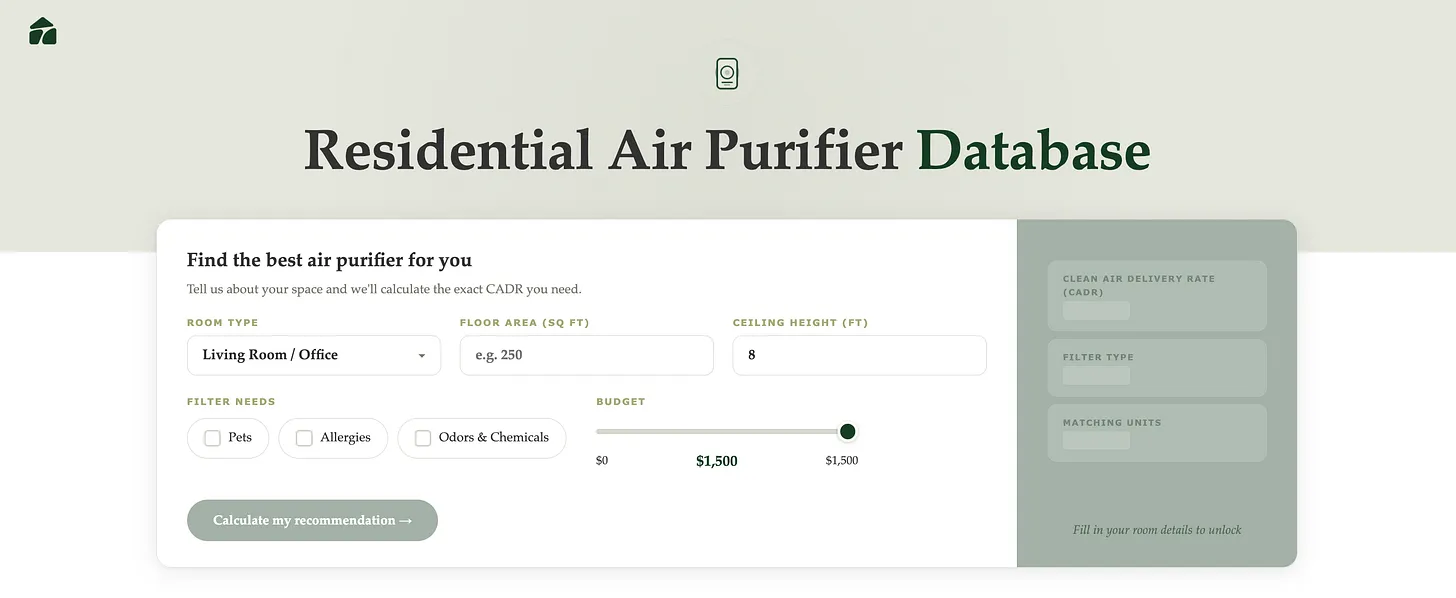
How to Pick the Right Air Purifier
Don't buy an expensive fan. A complete guide to HEPA, CADR, room sizing, and the AHAM Verifide seal — plus a free tool to pick the unit that actually fits your room.
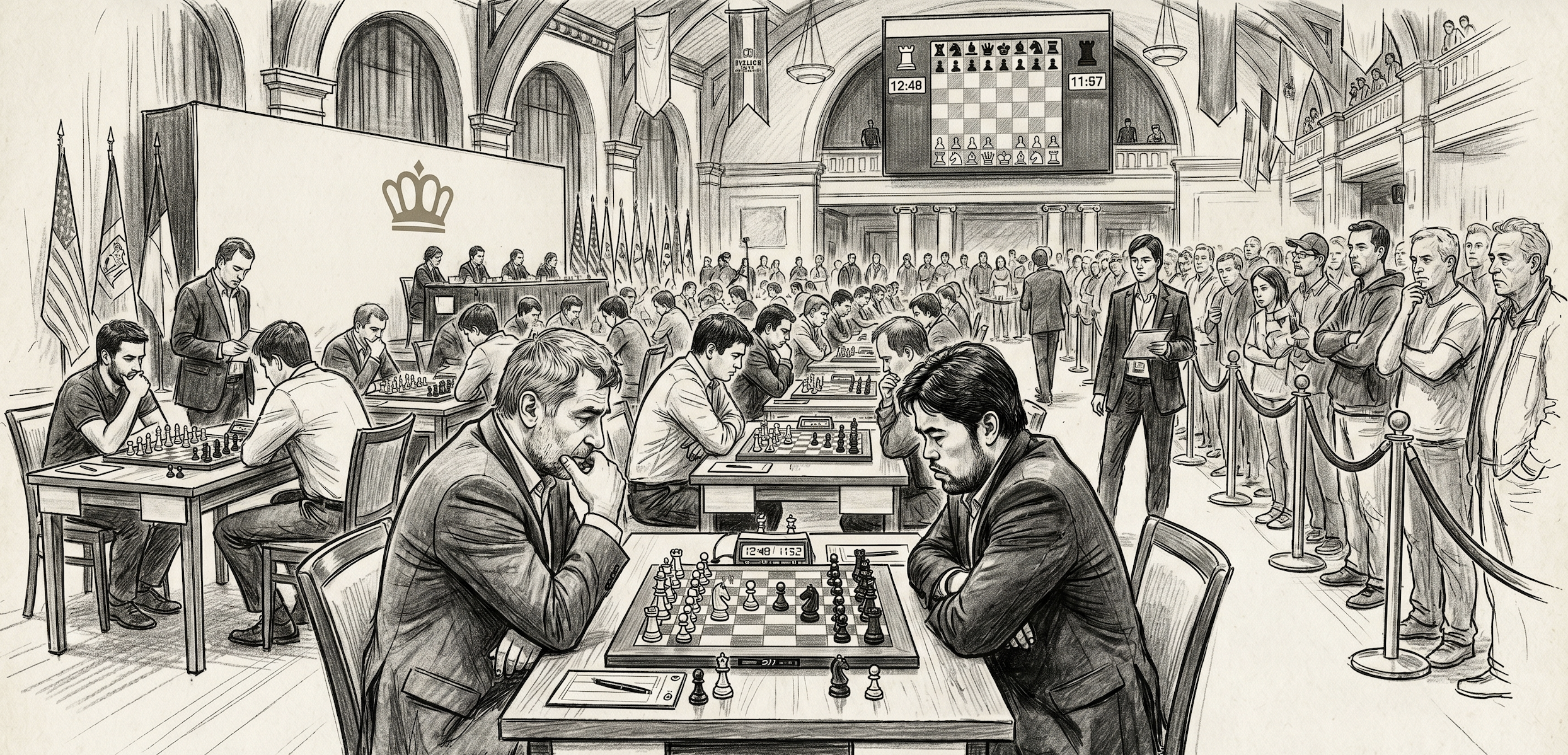
Does Air Quality Impact Chess Performance?
A study of over 30,000 chess moves found that even modest increases in indoor PM2.5 significantly raised error rates — and the implications extend far beyond the chessboard.

Mold in Homes
Mold is one of the most prevalent and most underdiagnosed indoor environmental problems. Here's how to think about it, test for it, and control it.

Should you be worried about Radon?
Radon is the second leading cause of lung cancer in the U.S. — and most homes have never been tested. If you live in Minnesota or Wisconsin, this one is especially worth reading.

Why home location matters more than you think
Where your home sits — near an airport, a highway, or a flight path — directly shapes the air you breathe inside. Location isn't just a real estate decision.

The kitchen
The kitchen is one of the most polluted rooms in the average home. Gas stoves, synthetic surfaces, and cleaning products all contribute — and most people have no idea.

Let there be the (right) light
The type of light you're exposed to — and when — has a profound effect on sleep, hormones, and mood. Most homes are lit in ways that quietly work against your biology.

Preparing the home for a baby
Babies are far more sensitive to environmental toxins than adults. Before the nursery goes up, here's what to know about air quality, VOCs, EMFs, and chemicals in the home.

Should you drink tap water?
Most tap water in the U.S. meets legal standards — but legal doesn't mean safe. Here's what's actually in your water and why the gap between 'legal' and 'healthy' matters.

How to optimize your bedroom for restful sleep
Your bedroom may be quietly disrupting your sleep. From RF radiation to blue light exposure, here's what we measure and what to change to get deeper, more restorative rest.

How painting impacts your indoor air quality
A fresh coat of paint might make your walls look better — but it can make your air significantly worse. VOC off-gassing from paint is one of the most common issues we find during assessments.

The German practice of Lüften
Germans have a word for opening your windows to flush out stale indoor air: Lüften. It's a simple, free habit that can dramatically improve your home's air quality — and most Americans never do it.