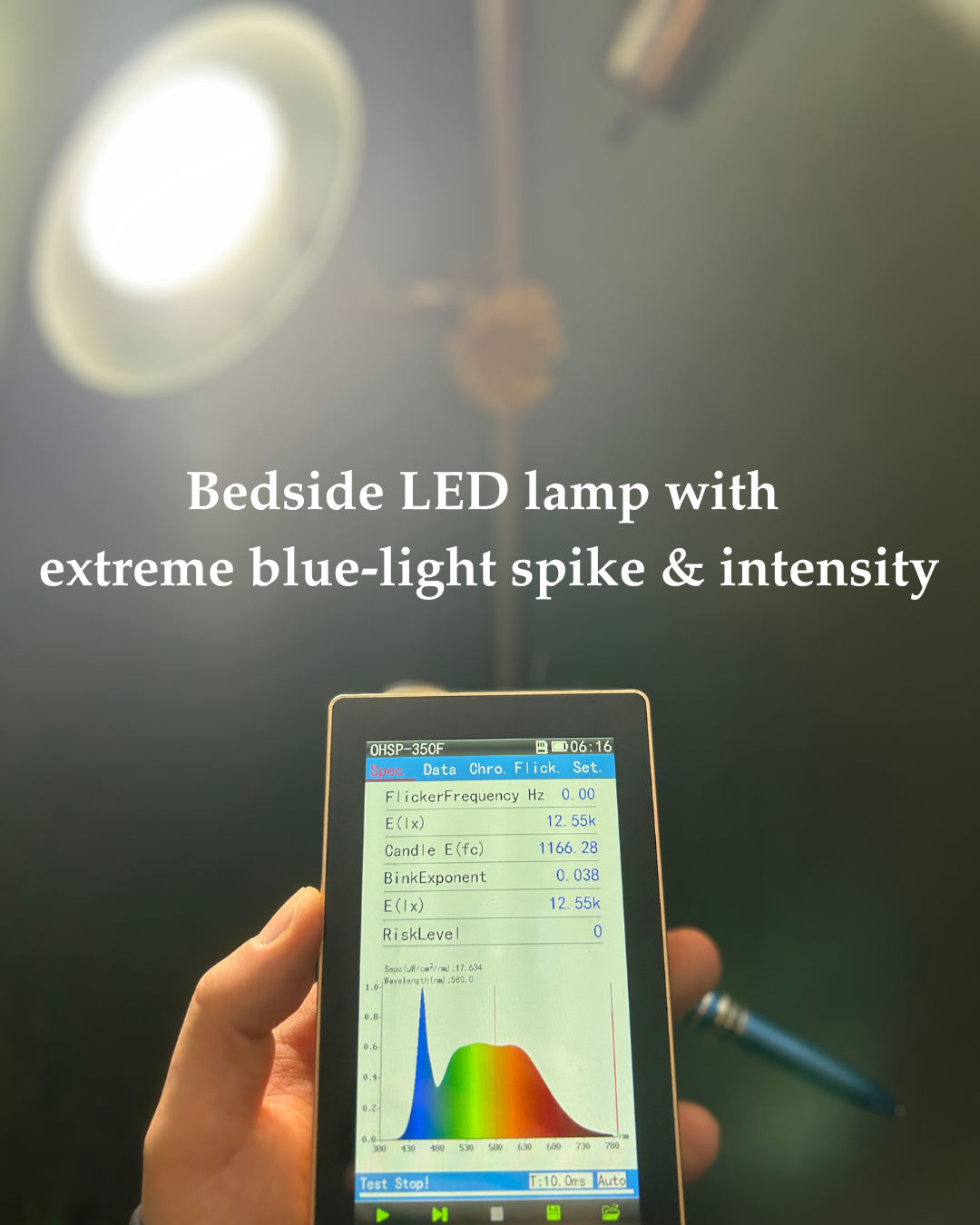
Setup: A systematic review of 13 qualified studies on melatonin and 2 studies on REM sleep (minimum 20 subjects) investigating the specific parameters of light exposure required for melatonin suppression.
Key Finding: Analysis of the 15 studies found that two-hour exposure to blue light (460 nm) in the evening suppresses melatonin, the maximum melatonin-suppressing effect being achieved at the shortest wavelengths (424 nm, violet). The melatonin concentration recovered rather rapidly, within 15 min from cessation of the exposure, suggesting a short-term or simultaneous impact of light exposure on the melatonin secretion. Exposure to low light levels (5-10 lux) at night when sleeping with eyes closed induced a circadian response.
Implications: How are your light environments in bedrooms and bathrooms? What does your phone, computer, and TV usage look like before bedtime? These things can disrupt sleep quality.
Setup: An analysis of PubMed from (January 1975 to July 2003) to identify randomized, controlled trials of light therapy for mood disorders that fulfilled predefined criteria. These articles were abstracted, and data were synthesized by disease and intervention category. Only 13% of studies met the inclusion criteria. Key Finding: This analysis of randomized, controlled trials suggests that bright light treatment and dawn simulation for seasonal affective disorder and bright light for nonseasonal depression are efficacious, with effect sizes equivalent to those in most antidepressant pharmacotherapy trials. Important to note that authors mention need for more rigiorous study design. Implications: How does your exposure to sunlight change throughout the year? If you live above 40 degree latitude like me, a lot. How do your daily light environment support your mood?
Setup: NRDC submitted a freedom of information request to the EPA, and utilized its most recent survey data to build a new map of Lead water distribution pipes across our country.
Key Findings: Lead pipes occur in all 50 states. Wisconsin and Minnesota are both higher than average with cities like Milwaukee (74,000 lead pipes) and Minneapolis (49,000 lead pipes).
Implications: If you are connected to a municipal water source, do you know the distribution pipe material? Is your utility utilizing anti-leeching chemicals today? Have you tested your drinking water?
Quality of Water from Domestic Wellsin Principal Aquifers of the United States,1991–2004 Setup: A national assessment of source (untreated) water quality from approximately 2,100 private domestic wells from across samples from 48 states.Analyzing as many as 219 properties and contaminants, including pH, major ions, nutrients, trace elements, radon, pesticides, and volatile organic compounds (VOCs). All of this was done to provide a baseline understanding of domestic well water quality, which is largely unregulated by federal or state laws.
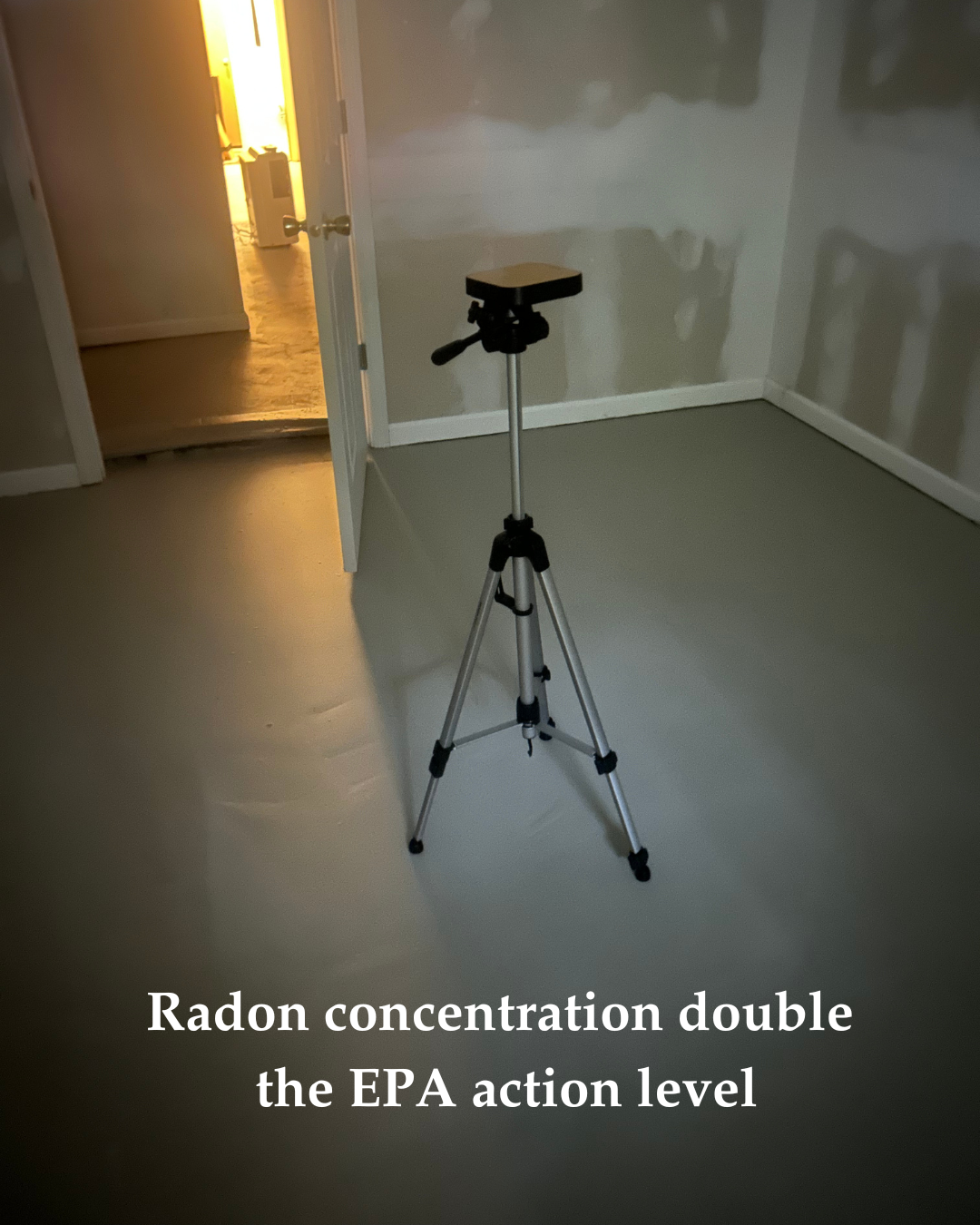
Key Findings: More than one in five (23%) of sampled wells contained at least one contaminant at a concentration exceeding a human-health benchmark. Inorganic Contaminants were the most frequent contaminants found above benchmarks, including radon, arsenic, uranium, manganese, and fluoride.
Implications: Do you receive your water from a private well? Are you near agricultural land? When was the last time it was tested?
Key Findings: Formaldehyde exposure was associated with impairment for all cognitive functions tested; longer exposure duration showed dose-effect relationship; recent exposure was associated with impairment in all cognitive domains.
Implications: Have you introduced new building material, paints, furniture, or rugs into your home environment in the last 12 months? Are you planning to redesign a room?
Setup: The EPA conducted a comprehensive scientific review, following a presidential directive (Executive Order 13990), to determine if the 2012 standards for particulate matter (PM2.5, soot) were adequately protective of public health. They conducted a "quantitative risk assessment" to estimate how many deaths occurred under previous standards compared to proposed lower levels.
Key Findings: The primary (health-based) annual standard for fine particles (PM2.5) was lowered from 12.0 to 9.0, citing that science explicitly links particle pollution to premature death, heart attacks, aggravated asthma, and decreased lung function. They also stated that by 2032, the new standard is projected to avoid up to 4,500 premature deaths, 800,000 cases of asthma symptoms, and 290,000 lost workdays annually.
Implications: Do you live in an environment with wildfire smoke? Do you have a wood-burning fireplace? Do you have a pet? Do you have carpet in your home? When is the last time you vacuumed? Was it with a HEPA filter? Lots of things can impact the particulate matter (PM) accumulation in our homes. It is important to understand your concentrations of different sizes of PM and actions you can take to lower the levels.
Integrating indoor and outdoor nitrogen dioxide exposures in US homes nationally by ZIP code (Kashtan et al., 2025) Setup: This study produced the first nationwide, ZIP-code-level estimate of total residential nitrogen dioxide NO2 exposure. Researchers combined indoor NO2 emission measurements from over 15 cities across seven U.S. regions with outdoor concentration data and housing stock data for 133 million residential dwellings. They used statistical sampling of occupant behavior (cooking frequency and duration) and computer modeling to determine how much NO2 comes from outdoor sources (traffic/industry) versus indoor sources (gas or propane stoves).
Key Findings: Gas stoves are a major source of NO2 pollution. For households using gas or propane stoves, the stove accounts for roughly one-quarter of their total long-term NO2 exposure. For high-use households (top 5% of cooking intensity), the stove contributes half or more of their total long-term exposure.
Implications: Do you have a gas stove? Is it vented outside? How often do you utilize the stove? Is it burning properly? It may be a significant contributor to your indoor air quality.
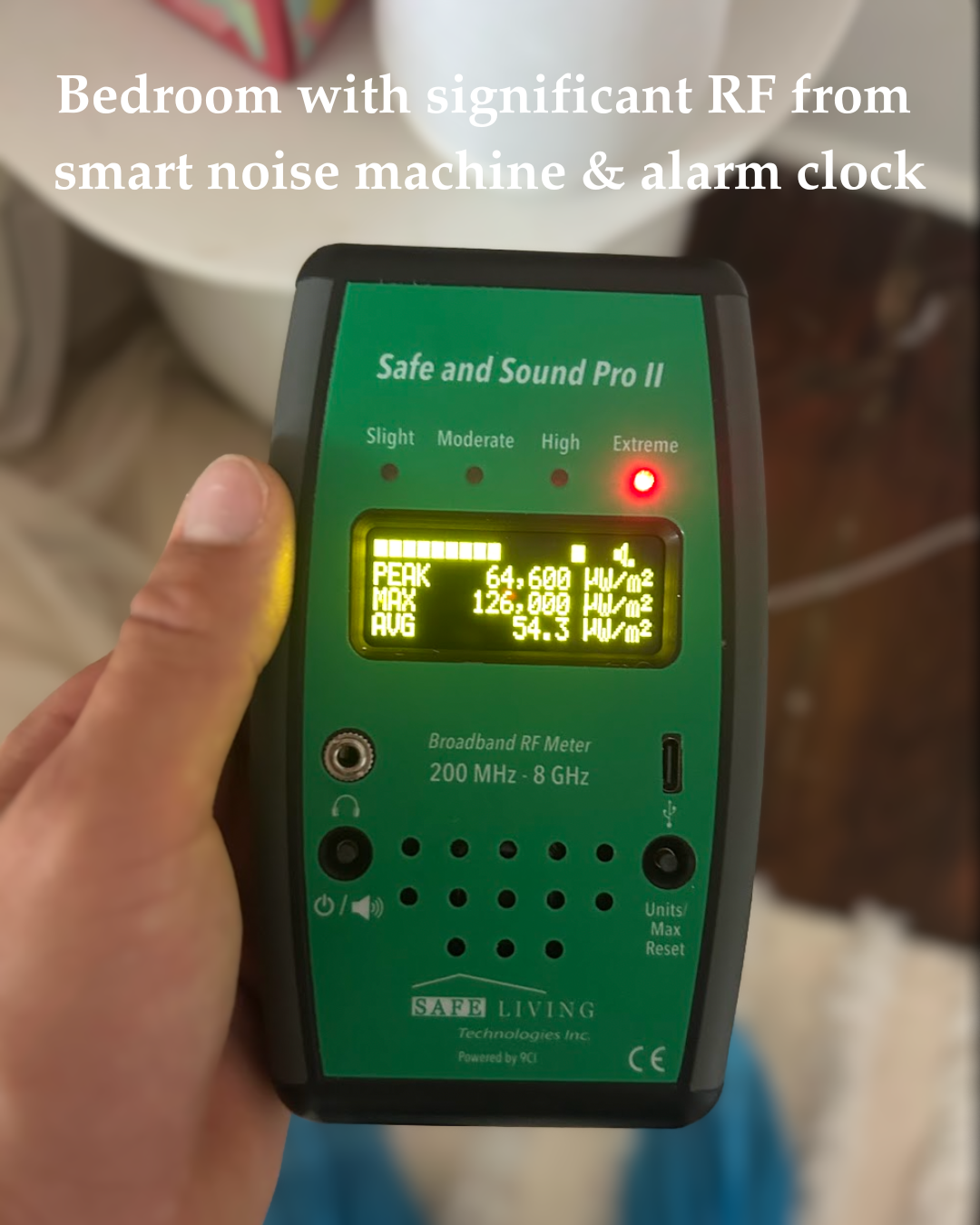
Setup: Thirty healthy young men (range 18–30 years) were exposed three times per exposure condition to radio frequency-electromagnetic fields (RF-EMF) while their sleep was recorded. Sleep was evaluated according to the American Academy of Sleep Medicine standard and eight basic sleep variables were considered
Key Findings: RF-EMF effects on sleep were observed in 90% of the individuals and that all sleep variables are affected in at least four subjects. While sleep of participants was affected in various numbers, combinations of sleep variables and in different directions, showing improvements but also deteriorations, the only consistent finding was an increase of stage R sleep under GSM 900 MHz exposure (9 of 30 subjects) as well as under WCDMA/UMTS exposure. The observations found here may indicate an underlying thermal mechanism of RF-EMF on human REM Sleep. Nevertheless, the effect of an increase in stage R sleep in one third of the individuals does not necessarily indicate a disturbance of sleep.
Implications: Where is your wifi-router and phones placed in your home (esp. in your bedroom where you sleep)?
Setup: Examined the air quality impacts of cleaning products and air fresheners, measuring the number, concentrations, and emission factors of volatile organic compounds (VOCs) in an air chamber following product application. Across seven common product categories, 30 products were tested overall including 14 conventional, 9 identified as “green” with fragrance, and 7 identified as “green” and fragrance-free.
Key Findings: A total of 530 unique VOCs were quantified with 205 additional VOCs detected below the limits of quantification. Of the quantifiable VOCs, 193 were considered hazardous according to either the California's Department of Toxic Substances Control Candidate Chemicals List or the European Chemical Agency's Classification and Labeling Inventory. On average, even considering the large variability across the group of 30 products tested here, green cleaning products emitted fewer VOCs and fewer hazardous VOCs than conventional products, and overall fragrance-free products had significantly lower emissions. Our analysis also found a large variation between products with respect to the concentration of emitted VOCs, number of VOCs and the relative hazard index.
Implications: What cleaning products do you utilize in your home today? If you have cleaners, do you know what products they utilize?
SCIENTIFIC RESEARCH
The Studies
Recent Assessment Findings
Our home assessments frequently uncover hidden environmental stressors that can compromise your health. We help homeowners interpret these findings and implement changes to transform their living spaces.
GET STARTED
Ready to Craft a Healthier Home?
Enter your contact information below and Hunter will follow up with you shortly
Thank you! Your submission has been received! Healthy home soon...
Oops! Something went wrong while submitting the form.