

A friend of mine is expecting a baby later this year!
He’s been doing what most first-time parents do: reading every childproofing checklist he can find, trying to make sure his home is ready: outlet covers, cabinet locks, stair gates, and furniture anchoring.
Then he asked, “What would you actually do, beyond all of this?”
Good question. I gave him a few ideas.
*****
The science.
Babies aren’t just small adults.
They’re exposed to more, pound for pound. Children breathe more air, drink more water, and eat more food per pound of body weight than adults. So any contaminant present in the environment hits them at a disproportionately higher dose relative to their size.
They live where the pollution concentrates. Dust, pet dander, and other heavier compounds and particles settle low. Babies are crawling, sleeping, and playing at floor level for years. On top of that, toddlers mouth everything. The EPA estimates young children ingest between 200 and 800 mg of dirt daily.
Their organs are still being built. The central nervous system, immune system, and reproductive system are all actively developing. During certain critical windows, toxic exposure doesn’t just cause temporary disruption. It can cause permanent damage.
Their skin absorbs more. The ratio of surface area to body mass is larger in children than in adults. Topical exposures from bath water, clothing, and lotions hit proportionally harder.
Their EMF vulnerability is higher. The Stewart Report, a landmark UK government study from 2000, found that children absorb more electromagnetic radiation than adults. Their developing brains are more conductive.
The American Academy of Pediatrics, the CDC, and the NIH have all recognized in the last two decades that children are significantly more sensitive to environmental toxins than adults and that early-life exposures are more meaningful for long-term health.
******
The childproofing checklist.
It is worth starting here. Check all of the boxes first.
- Outlet covers
- Cabinet and drawer locks
- Furniture anchoring
- Stair gates
- Blind cord elimination
- Pool or water barrier
- Medication storage
Now, let’s dive into each of the major components of a healthy home environment (air, water, chemicals, and EMFs) and how they should be prepared for a new child in the home.
*****
Air.

The EPA ranks indoor air pollution among the top five environmental health risks, and indoor environments are typically 2–5 times more polluted than outdoor air.
Indoor air quality is shaped by two main factors: what your home is made of, and what you do inside it. Building materials like engineered wood, insulation, paints, and sealants can release volatile organic compounds (VOCs) for years after construction. Furniture, mattresses, and rugs off-gas chemicals into the air. Everyday habits, fragranced cleaning products, burning candles, cooking without ventilation, and pet dander add additional layers of particulate matter.
Why it matters more for children.
Poor air quality affects respiratory health, cardiovascular health, and cognitive development. For adults, these impacts accumulate over time. For a developing infant, the stakes are more immediate as developing lungs are more susceptible to irritation and damage, and neurological effects from pollutants like VOCs can be permanent if exposure occurs during critical developmental windows.
What specifically to be concerned about?
Radon. Radon is a colorless, odorless radioactive gas that seeps up from soil through foundation cracks, floor drains, and sump basins. You cannot smell it, see it, or taste it. The only way to know your level is to test. It is the second leading cause of lung cancer in the U.S., responsible for roughly 21,000 deaths per year. Long-term exposure is what we want to avoid, especially in the early years of a child’s development. It can build up more in basements, so if the nursery is downstairs, it is even more critical.
Particulate Matter (PM). PM is a mixture of tiny solid particles and liquid droplets suspended in the air, think dust, pet dander, fibers from fabric and carpet, and cooking smoke. For children, PM is a direct respiratory irritant. Developing lungs exposed to elevated PM early in life are associated with higher rates of asthma, reduced lung function, and increased susceptibility to respiratory infections. Stuffed animals are massive dust mite habitats. A single stuffed animal can harbor millions of dust mites. Wash them regularly on high heat (130°F kills dust mites).
CO2. CO2 in homes is a natural byproduct of human breathing. In poorly ventilated rooms, it climbs, and levels above 800-1,000 ppm are associated with degraded sleep quality and reduced cognitive function. A sleeping infant in a sealed nursery can push CO2 higher than you’d expect.
Mold. Mold is a biological contaminant that thrives wherever moisture accumulates, including basements, crawl spaces, bathroom ceilings, and behind walls after any water intrusion. For infants, mold exposure is a documented asthma trigger and is associated with respiratory illness in the first year of life. Mycotoxins produced by certain mold species are particularly concerning during early development. Don’t ignore musty smells.
What to do.
-
Test for radon before the baby arrives. Mitigate if above 4 pCi/L.
- Run a HEPA air purifier in the nursery continuously. Change filters every six months.
- Use a MERV 10+ HVAC filter. Change it every four months.
- Ventilate the nursery daily, even in winter, by opening windows.
- Keep shoes at the door. They track bacteria, pesticides, and particulate matter.
- Vacuum with a HEPA-filter vacuum twice weekly.
- Run bathroom fans 15 minutes before and after showers to control moisture and mold risk.
*****
Water.

Water makes up approximately 60% of the adult human body and is the foundation for virtually every biological process. The average American drinks 450,000 cups of water in their lifetime and spends 160 days in the shower, another 240,000 cups of exposure. The U.S. operates approximately 150,000 public water systems with dramatically varying quality.
Why it matters more for children.
Infants mixing formula with tap water are doing so with a body that weighs 10-15 pounds. The same contaminant dose that registers as background noise for a 150-pound adult is a completely different equation for a newborn. Chronic exposure to heavy metals, disinfection byproducts, and PFAs during early development is associated with neurological damage, endocrine disruption, and increased long-term disease risk.
What specifically to be concerned about?
Lead. Lead enters water through aging pipes, most common in homes built before 1986. The EPA has acknowledged that there is no safe level of lead exposure for children. Lead damages neurological development, IQ, behavior, and attention.
PFAS (Forever Chemicals). PFAS are a class of synthetic chemicals used in industrial applications, firefighting foams, and countless consumer products. They don’t break down well in the body or the environment. They bioaccumulate over time, and early research links them to immune suppression, hormonal disruption, and developmental effects.
VOCs. Volatile organic compounds, including chloroform, a byproduct of chlorination, vaporize readily in warm water. When your baby soaks in a bath, two things happen simultaneously: their skin absorbs chlorine and DBPs directly, and they inhale VOCs off-gassing from the warm water into the air just above the surface.
What to do.
- Test your municipal or well water to understand what chemicals are present.
- Install the proper filters in drinking water and bathing/showering water sources throughout your home.
*****
Chemicals.
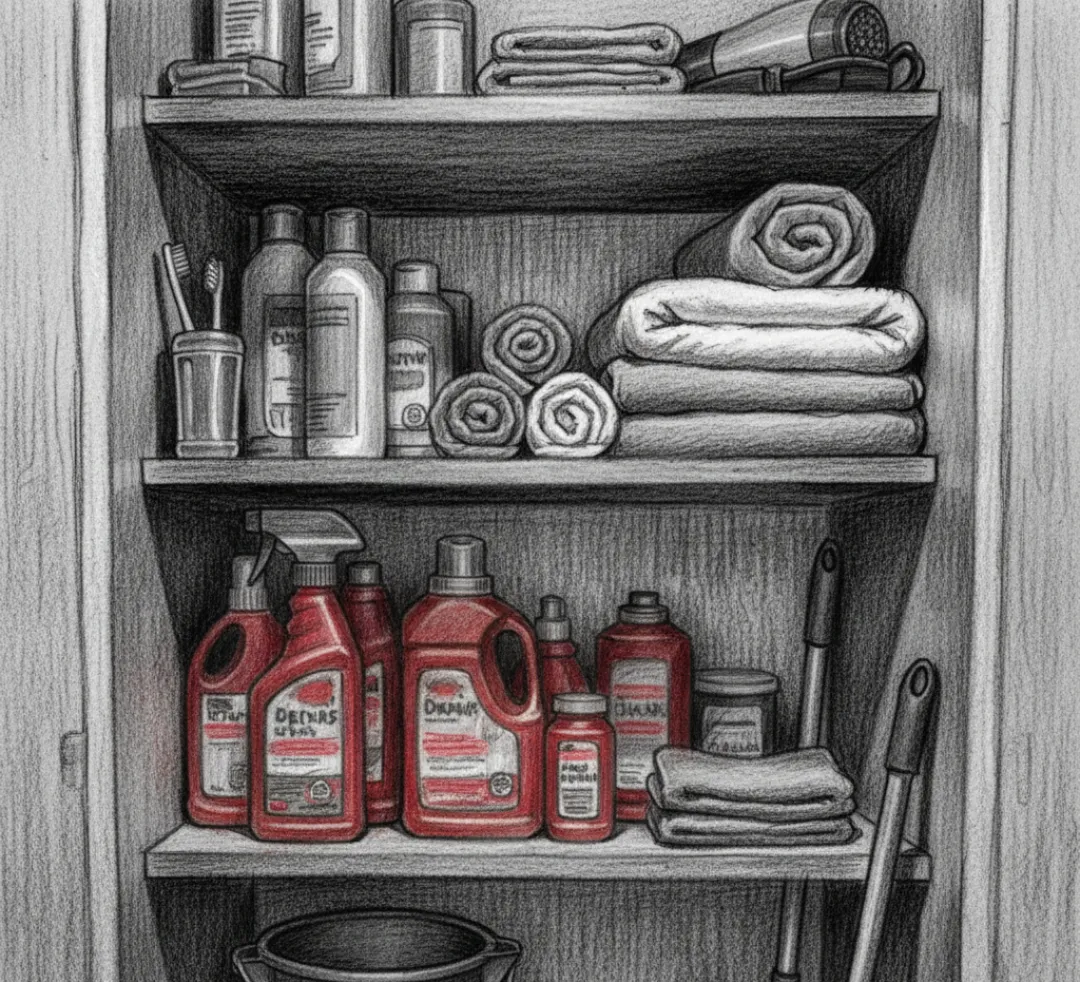
Chemical exposure comes from cleaning products, personal care products, building materials, furniture, and air fresheners. Cleaning products are a particularly significant source because they end up on nearly every surface we touch. Dish soap residue on glasses and plates, laundry detergent in clothing against our skin, bathroom cleaner coating the tub where your baby sits.
The challenge: cleaning products in the U.S. are lightly regulated. Manufacturers aren’t required to disclose every ingredient, and only certain known-to-be-toxic substances must be labeled. Even products marketed as “clean” or “green” can contain harmful components.
Why it matters more for children.
Children’s developing endocrine, immune, and respiratory systems are particularly sensitive to chemical disruption. Hormone-mimicking compounds like phthalates, parabens, and certain flame retardants can interfere with development at exposures that would be inconsequential for an adult. And because children live closer to the floor, mouth objects constantly, and spend more time in direct skin contact with surfaces, their exposure pathways are more numerous than ours.
The nursery specifically.
Paint. Conventional paints off-gas VOCs for days to weeks after application. Use zero-VOC paint in the nursery. Ventilate aggressively and let the room air out for at least a week before the baby moves in.
Crib mattress. Your baby sleeps 14-16 hours a day on this. Conventional mattresses have historically contained flame retardants, specifically PBDEs, which are endocrine disruptors associated with thyroid disruption and developmental effects. Look for GOTS (Global Organic Textile Standard) or GREENGUARD Gold certification. It costs more, but it’s worth it.
New furniture off-gassing. New nursery furniture made from pressed wood off-gases formaldehyde for months after manufacture. Parents buy all-new furniture right before the baby arrives, and the nursery is at peak off-gassing when the newborn moves in. Buy solid wood, and have it finished with a non-toxic coating. If you do buy furniture made from particle board, buy and assemble furniture several weeks early, air it out in a garage or ventilated space, then bring it in.
What to do.
- Use zero-VOC paint. Ventilate for at least a week before the baby moves in.
- Buy solid wood with a non-toxic stain. Air out all new furniture for 2-4 weeks before the nursery is occupied.
- Swap cleaning products for EWG-certified alternatives.
- Avoid all fragranced products in the nursery, like candles, plug-ins, and spray fresheners.
- For toys: BPA-free and phthalate-free, or opt for wood and natural rubber.
- For clothing and bedding: GOTS-certified organic cotton means no pesticide residue, no harmful dyes.
*****
EMFs.
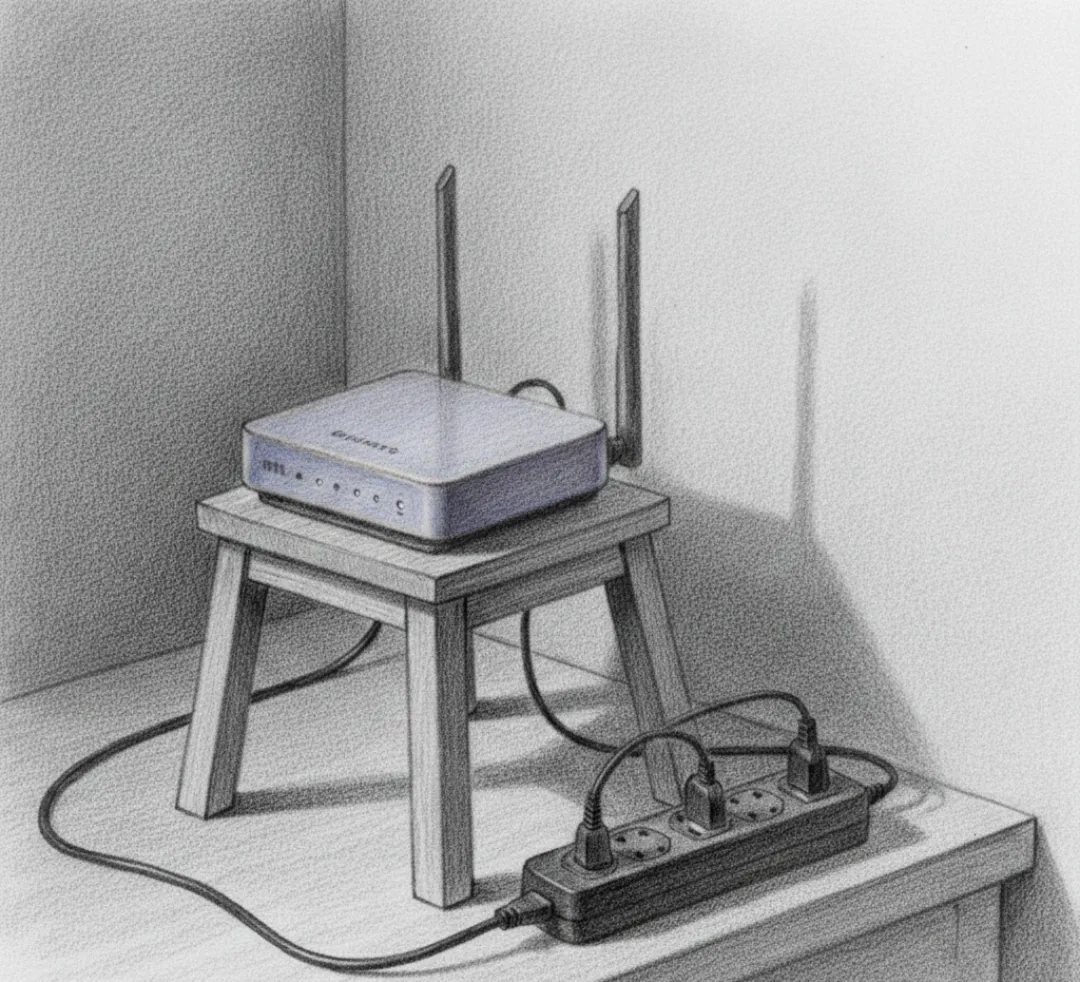
Electromagnetic fields (EMFs) are an invisible but constant part of our modern indoor environment. They’re created whenever electricity flows or devices communicate wirelessly. There are three main types of indoor EMF exposure:
- Electric fields: produced by voltage; present even when devices are off but plugged in
- Magnetic fields: generated when current flows through wiring or appliances
- Radiofrequency: produced by WiFi routers, cell phones, Bluetooth devices, baby monitors, and smart home systems
Why it matters more for children.
What is established is that children are more vulnerable to EMF exposure than adults. The Stewart Report found that children absorb more electromagnetic radiation than adults because of higher tissue moisture and ion content in developing brains. Their skulls are thinner. Their nervous systems are still forming. The same frequencies pass through them differently than through a fully developed adult brain.
What specifically to be concerned about?
Baby Monitors. Digital baby monitors emit RF radiation continuously while operating, some at levels comparable to a cell phone held close. Most parents place them directly on the crib rail, two feet from the baby’s head, running all night. RF exposure drops roughly with the square of distance. Moving the monitor across the room is a free fix.
Electric Fields (EF) from Power Strips. Electric fields are produced by voltage and are present whenever something is plugged in, even if the device is switched off. Power strips are a significant source. A power strip running along the nursery floor near the crib is generating an electric field continuously. Keep power strips away from the crib and out of the immediate sleep zone. Route cords along baseboards and away from where the baby’s head rests.
Magnetic Fields (MF) from Appliances. Magnetic fields are generated by the motors in appliances. The refrigerator is one of the most significant MF sources in a home because its compressor runs intermittently at high draw. If a nursery shares a wall with the kitchen, or a crib is positioned near an exterior wall adjacent to the fridge, the magnetic field exposure can be meaningful. Don’t position a crib against a wall that backs up to the refrigerator or any other high-draw appliance. A few feet of distance makes a significant difference.
What to do.
- Move the baby monitor to the far side of the room, not on the crib rail.
- Keep WiFi routers out of the nursery.
- No powerstrips in the nursery.
- Place phones, tablets, and smart watches at least 3 feet from the crib during sleep.
- Don’t place the crib against a wall that is shared by a refrigerator.
*****
My friend asked what I’d actually do. This is it.
Wishing you and your growing family a healthy start!
Hunter


