Who cares about healthy homes?
Great question. Let’s look at the data.
Real estate listings.
Zillow’s 2026 Home Trends Report mined millions of for-sale listings for which features agents chose to mention most often (listing descriptions are short, so word choice is a decent proxy for demand). Mentions of wellness features rose 33% year over year. The most common mentions were spa-inspired bathrooms (soaking tubs, steam showers), saunas and cold plunge pools, dedicated fitness/meditation spaces, air and water filtration systems, and outdoor therapeutic areas like gardens.
Surveys.
Green Builder Media’s COGNITION, its market intelligence business, has conducted several surveys on healthy home topics as well. They found 75% of consumers call a healthy home “very” or “extremely” important and report that consumers will spend an average of $2,750 on healthy-home upgrades, more than they will spend on any other single sustainability feature.
Separately, the America at Home Study found demand for whole-home water filtration jumped to 70% (from 43% in 2023) and indoor air purification to 69% (from 48%).
Alright, so leading indicators show the “wellness” within the home environment is becoming more important! That’s great.
So what is a “healthy home,” actually?
“Wellness” can mean everything and therefore nothing. A cold plunge in the garage is wellness. So is a working carbon monoxide detector. So is an abundance of natural sunlight.
I think Maslow's pyramid is a good proxy for how I think about a healthy home.
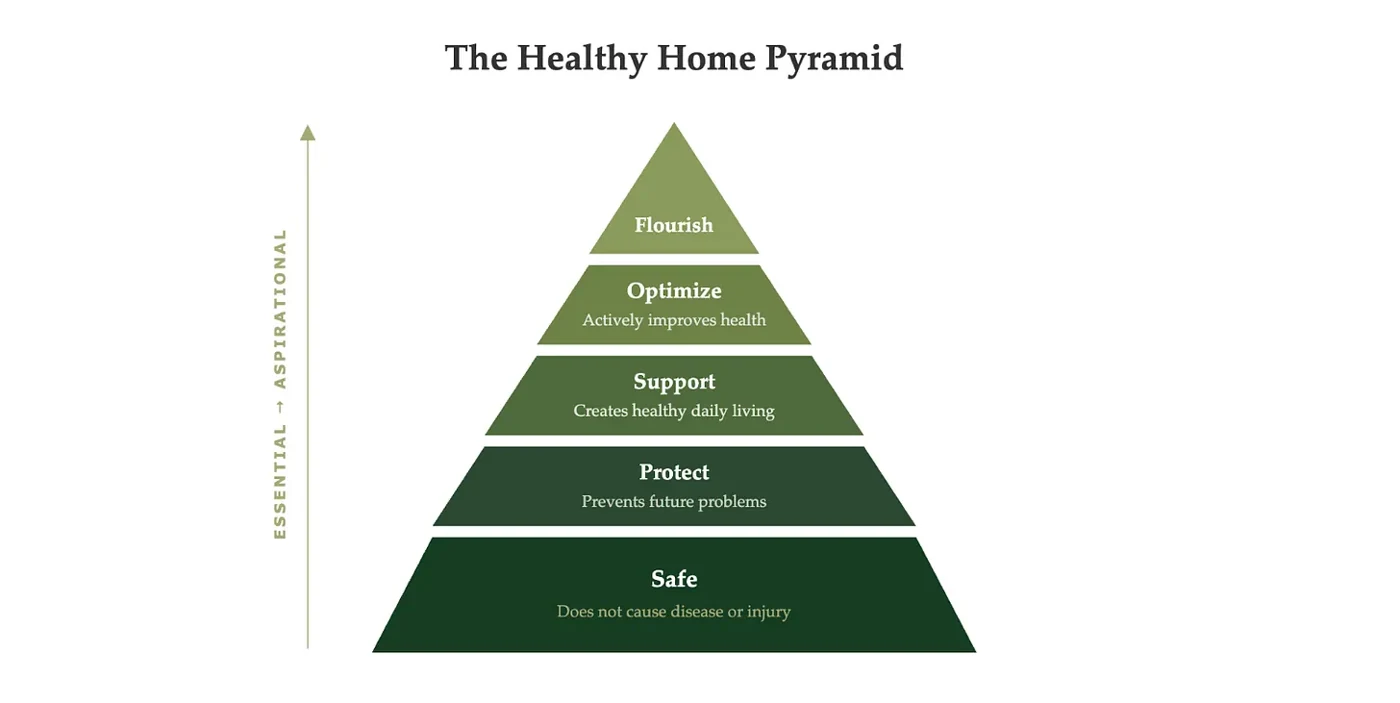
Safe is the foundation. A safe home does not cause disease or injury: dry, pest-free, mold-free, radon-controlled, water safe to drink, combustion venting properly. Nothing above it counts if this layer is cracked.
Protect is about time. It prevents future problems: systems maintained, moisture managed before it becomes mold, filters changed on time. Safe is the home today. Protect is whether it stays that way.
Support is where absence-of-harm becomes actual health: clean air, comfortable humidity, good ventilation, healthy lighting, low chemical exposure.
Optimize is where the technology (and most of the market’s money) shows up. It actively improves your health: abundant natural light, advanced air purification, water optimization, thermal and acoustic comfort.
Flourish is the top, and the smallest block. Purpose-built for exceptional wellbeing: recovery, fitness, social connection, nature, beauty. The sauna, the organic/thermal mattress, the red light therapy room. Real and wonderful, and worth nothing if the four layers under it are neglected.
Now…
Open any feed today, and the buzz is almost entirely the top two layers, mostly the amenities: the cold plunge, the sauna, the red-light panel. That is where the money follows too, because those are the things you can photograph, sell, and add to a cart. The base of the pyramid does not trend. Nobody posts their vapor barrier, except for me haha.
And, a new build isn’t always a healthy home. Lots of new builds have terrible building material quality, which off-gases lots of chemicals. I had a friend that told me the builder they worked with on their new home told them to run air purifiers constantly for 8 months (that’s CRAZY)! And a luxury home can have all amenities, but a moisture problem. Expensive is not the same as healthy.
So what am I trying to say?
The boring stuff matters as much as the exciting stuff, arguably more. And
Alright, now onto the fun stuff. My analysis of what is hot right now and what is coming.
Right now, the market is buying air.
Air purifiers, air exchangers, air monitoring devices. Why?
It is measurable. A monitor gives you a (like a thermometer gives you a temperature), and when an invisible threat becomes a quantified number, it is easier to act.
It got concrete. The pandemic had everyone indoors. Same with the increase in wildfires. We were spending more time inside (in fact, 90% of our lifetime is spent inside). People can see and feel how bad air outside makes them feel.
It is buyable. You can fix your air this weekend with a box and a filter. A good air purifier is one click. And you can notice the difference.
For the nerds. What’s next?
I would place my bets on these four areas.
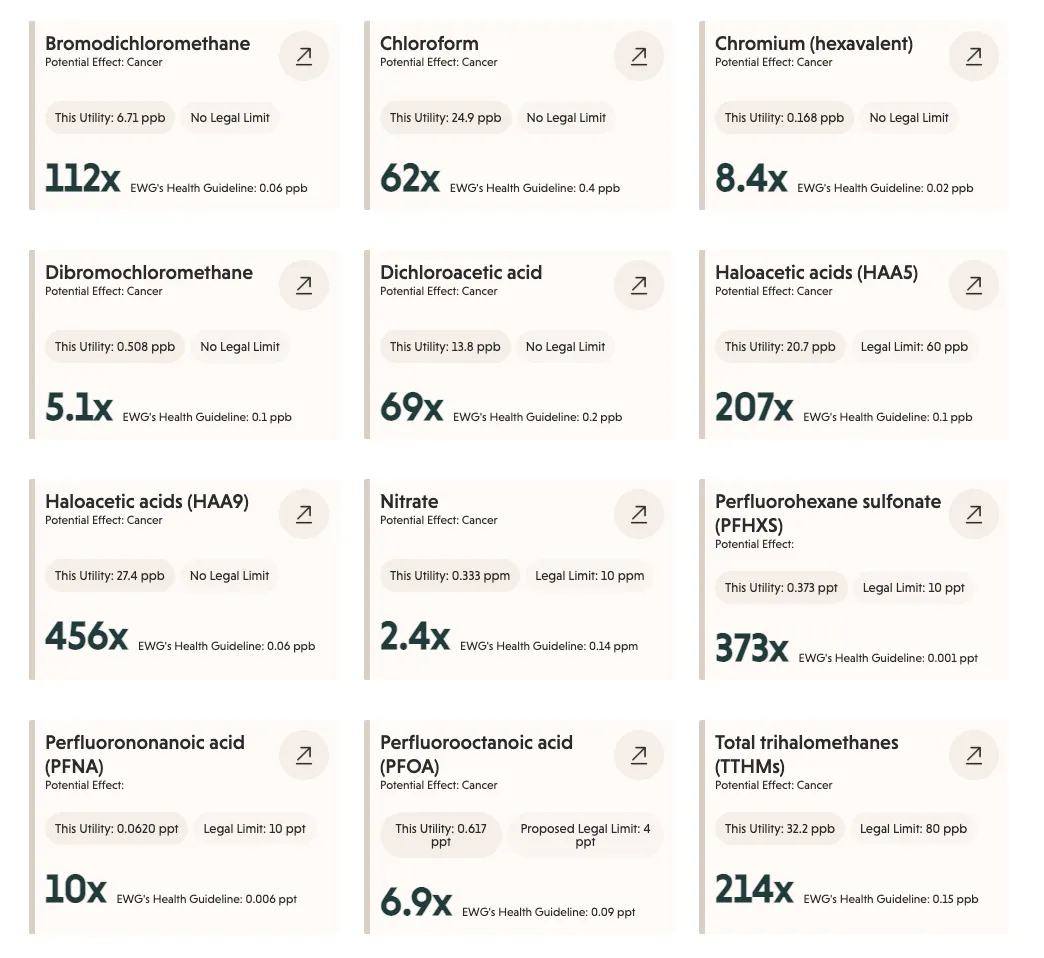
Water. PFAS “forever chemicals” are showing up in tap water across the country; we are sitting on an enormous base of aging lead service lines that will take decades to replace, and microplastics have gone from a niche worry to a Netflix show. People are talking about it way more. And when people switch, they notice it tastes way better, and when you shower in it, you can see improvements in skin health. They tell their friends about it too. I talked to a plumber here in town recently, and they mentioned whole-home RO is the hottest-selling item for them right now. I have measured a few of these systems, and just because you have a filter doesn’t mean it is effectively filtering everything out, so testing still matters.
Light. We have spent the past decade on an energy-efficiency craze that put a bunch of cheap LEDs in every house, then filled our houses with screens, and people are now wondering why they can’t sleep and get headaches when they work from home or at an office with these flickering lights. Meanwhile, the science on sunlight keeps getting stronger: it sets the master clock that governs sleep, mood, and alertness (the full mechanism is here). On the other hand, light is being seen for other benefits, like red light for recovery that can boost cellular energy and reduce inflammation, and blue light in SAD lamps that is showing positive signs of helping reduce seasonal depression symptoms. And Huberman and the podcast doctors are talking about all of it all of the time. Not to mention when I check websites for high-quality circadian LED bulbs, they are constantly out of stock/waitlist due to demand.
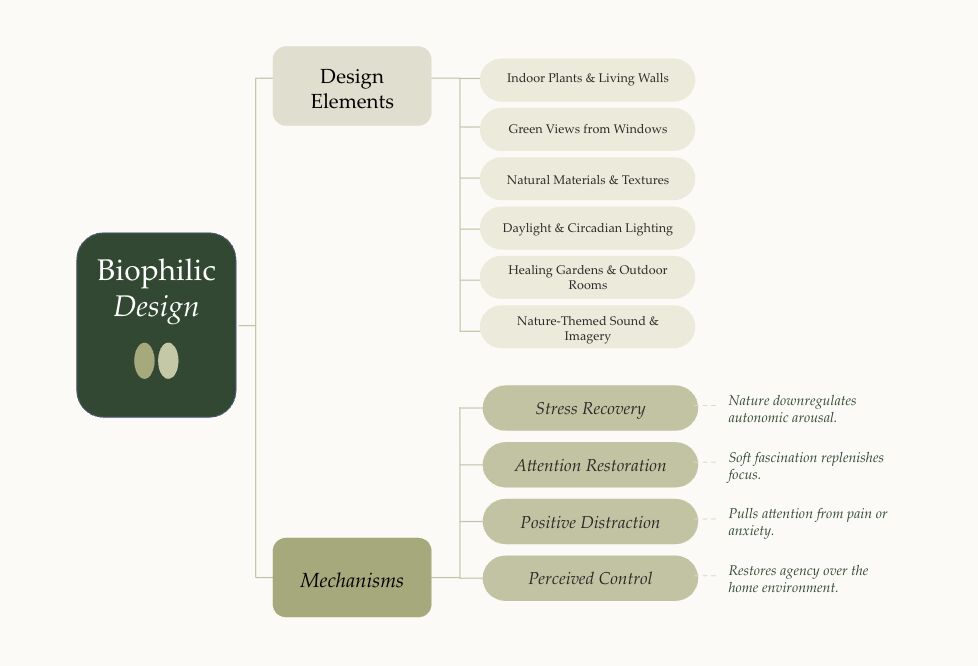
Social and nature connection. As tech/social media infiltrates our lives and provides greater communication, it has also made our generation lonelier than any generation on record. The research on biophilic design improving overall wellness is strong. The research on nature access reducing feelings of isolation is also strong. We are already seeing a massive rise in IRL events. And people are looking for more connected communities with walkable streets, shared public spaces like parks or community gardens, and active local groups. I think homes will be designed to host with bigger living spaces, kitchens, patios, outdoor amenities, and porches. I also think this relates to taste and personal style. With lots of AI slop and more modern and boring houses/designs, I believe there will be a massive push to unique/personalized/cozy home environments that express people’s personalities.
The bathroom. People care about their skin health way more, at least from my analysis on TikTok. I also think “using the restroom well” is having a moment; bidets went from foreign curiosity to normal fixture, and gut health is one of the biggest stories in consumer wellness right now. The room where that happens has been ignored by design for a century. Also, the bathroom is quietly becoming the one room in the house people are allowed to relax in. I think the form of the bathroom shift, it is going to be bigger, have some more tech, but also focus on functionality and relaxation. I really like Lloyd Alter’s piece on the bathroom of the future.
Lots of good things to come.
What do you think will be the next big thing in the home?
Hunter
We built a bunch of FREE resources for you!
- Take our home health quiz (~5 min)
- View a recent home assessment report
- Try out our indication guide to lead pipes
- See your radon risk with our Minnesota radon map
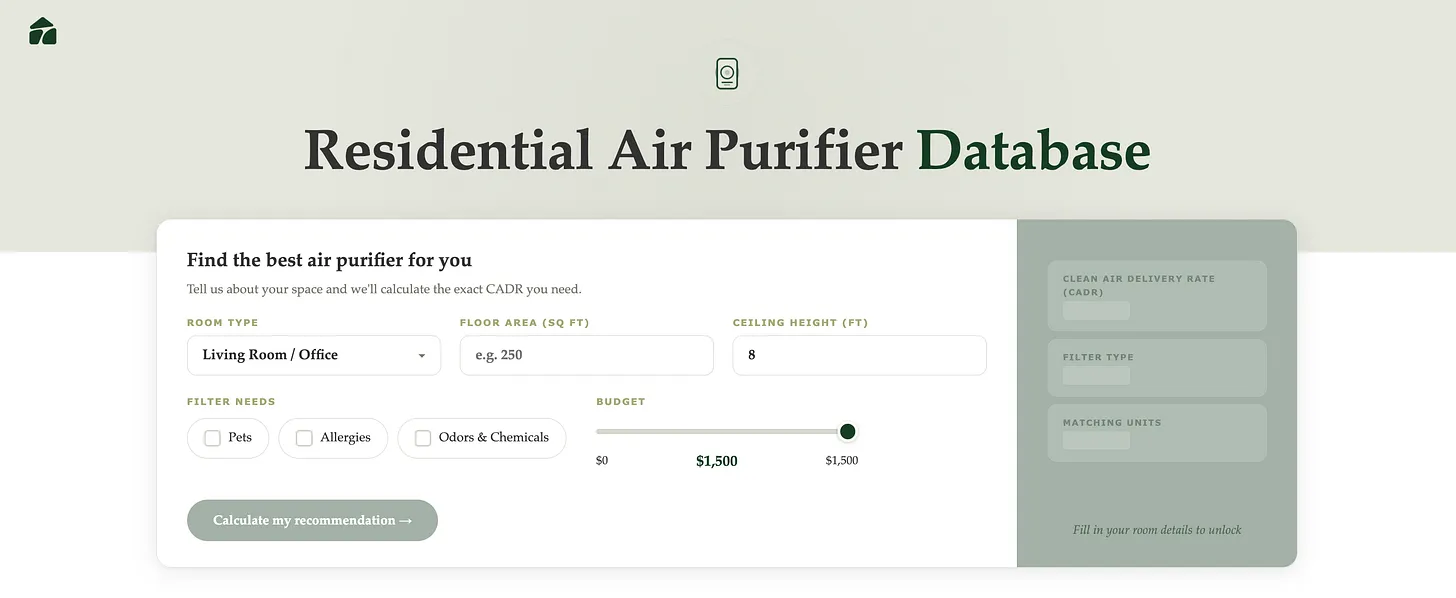
- Calculate what the best air purifier is for your home from our database
- Schedule a free 15 minute chat with our founder about any questions you have