Americans love their lawns.
We love them so much that turfgrass is now the single largest irrigated crop in the country. There are ~40 million acres of turfgrass in the United States, an area roughly the size of Wisconsin, and about 2 percent of the total land area of the country.
That is a lot of lawn. Let’s talk about the lawn.
The lawn is one of the most heavily managed landscapes in the country, and much of that management is water and chemicals.
The U.S. landscaping services industry is ~$176 billion and has more than doubled over the past decade.
Across the country, Americans apply an estimated 90 million pounds of pesticides & synthetic fertilizer to lawns every year. And watering our lawns accounts for a third of residential water use in the summer.
Now these chemicals have environmental & human health impacts.
The runoff feeds algae blooms in lakes and rivers. Lawns shed rainwater fast, so whatever is on the grass ends up in the storm drain.
And pesticides track into our homes on our feet & our pets’ feet, and through open windows.
2,4-D (2,4-dichlorophenoxyacetic acid), the broadleaf weed killer in most “weed and feed” products, has been found in the indoor air and on interior surfaces throughout homes. One turf application can leave 2,4-D indoors at levels roughly ten times higher than before it was sprayed.
A 2003 study in Environmental Science & Technology by Ruthann Rudel and colleagues found 2,4-D in the dust of 63 percent of the homes they tested.
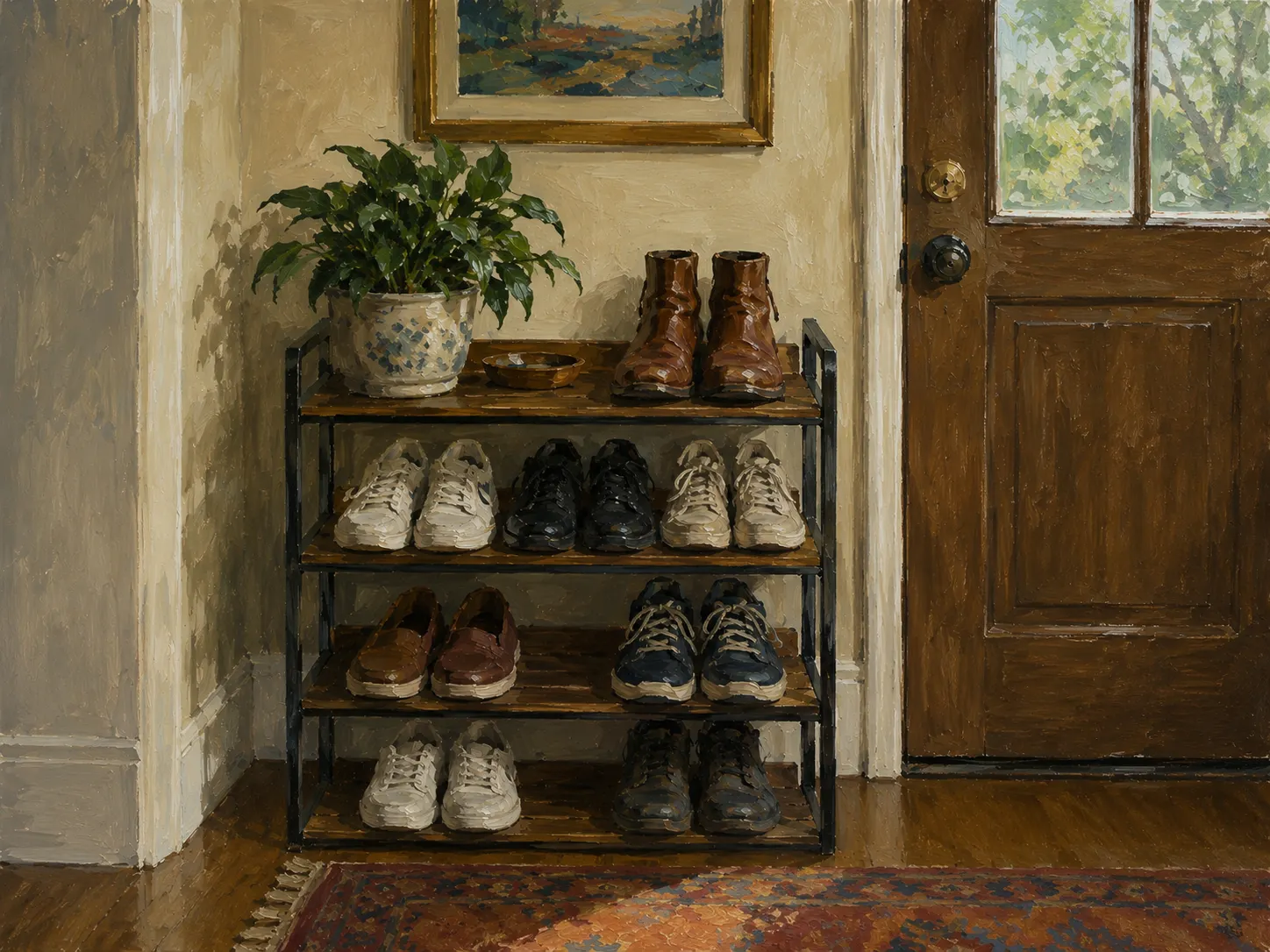
This is the same principle behind the shoes-at-the-door idea.
Now, pesticide use has overall decreased significantly over the last 30 years, and many commercial lawn services and homeowners utilize safer options. However, at the same time, the toxicity of many of the individual compound fertilizers has increased. So reading labels is important.
For the nerds. The pollinator story.
The population of pollinators is rapidly decreasing.
The abundance of four formerly common North American bumble bee species has fallen by as much as 96 percent.
The western monarch butterfly has declined by over 95 percent since the 1980s.
And some of this story can be attributed to lawns. To a pollinator, a mowed lawn is a food desert: a monoculture of a non-native grass that produces no nectar, no pollen, and no host plants for caterpillars.
We took tens of millions of acres of meadow, prairie, and mixed habitat and replaced it with green pavement. Then we sprayed it. The broadleaf herbicides like 2,4-D exist specifically to kill the flowering “weeds” (clover, dandelion, etc.) that pollinators actually feed on, and the insecticides kill the insects directly.
And there is a direct human thread. Pollinators have a significant impact on our food system by helping to fertilize plants, grow, and reproduce.
What if we could support pollinators, reduce chemical usage, and still have beautiful curb appeal?
Rethinking the lawn.
I think the biodiverse lawn trend is awesome.
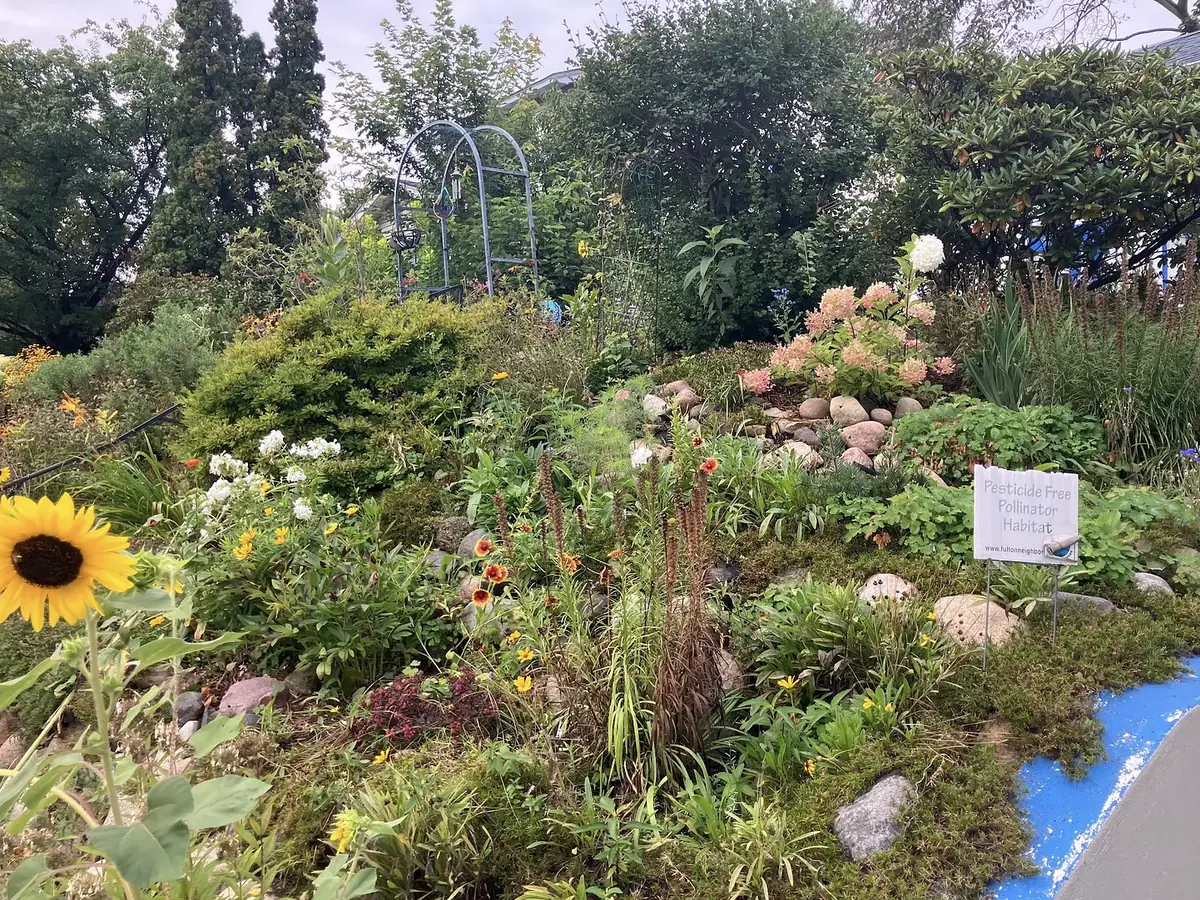
These are yards that contain many different types of native plants, flowers, and grasses instead of just a single type of turf.
And the trend is growing. 12 percent of U.S. adults (about 32 million people) are converting parts of their lawn to a natural or wildflower landscape, up from 9 percent in 2019. 28 percent bought plants beneficial to native bees, butterflies, and birds, up from 25 percent. 17 percent specifically bought plants native to their region, up from 14 percent.
I have read a good amount of Dr. Doug Tallamy’s research on this. He is an entomologist at the University of Delaware and has started a nonprofit called Homegrown National Park. His pitch is that.
“If half of American lawns were replaced with native plants, we would create the equivalent of a 20-million-acre national park, nine times bigger than Yellowstone.”
Super cool. Tell me more.
A biodiverse lawn is just a yard that grows more than one thing. Instead of a single non-native grass kept alive by inputs, you have a mix of plants (grasses, low flowers, native perennials, ground covers) that work together as a small ecosystem. There are multiple types.
A bee lawn is probably the simplest. You keep the turf but overseed it with a few low-growing flowering plants like Dutch white clover. You can still walk on it, kids can still play on it, and it flowers at ankle height.
A native planting or pocket prairie is the fullest expression: milkweed, coneflower, little bluestem, and other Minnesota natives in a bed or a converted corner.
And the benefits are great.
Less work, less money, forever. A conventional lawn is a recurring subscription: mow weekly, water, fertilize, spray, repeat. Once a bee lawn or native planting is established, it needs less than a traditional lawn, and native plants need little to no irrigation or fertilizer once their roots are in. Clover even pulls its own nitrogen out of the air, so it fertilizes itself and stays greener through a dry August than bluegrass does.
It manages your water instead of shedding it. A conventional lawn has shallow roots and sheds rain like a parking lot, sending it (and whatever chemicals are on it) into the storm drain. Native plants send roots down feet, not inches, so rain soaks in and is filtered on your property instead of pooling in the low spot in your yard or flooding the street.
It defends itself. Diversity is pest control. A yard with many plants supports the beneficial insects that eat the pest insects, so the whole system needs far fewer chemicals to stay healthy.
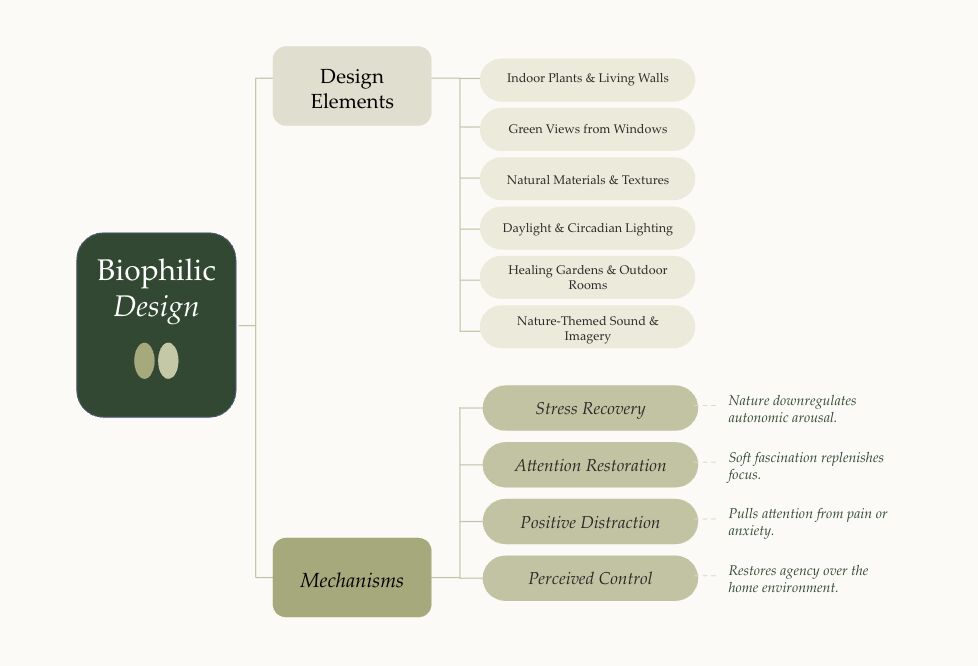
It is alive, and that does something to you. A turf lawn is quiet. A biodiverse one hums (bees, butterflies, birdsong, fireflies at dusk). There is a real and growing body of research on the wellbeing benefits of contact with nature, and you do not have to drive to a park for it. It is out your back door.
People prefer to live in communities with healthy land and water, which also increases property values. A biodiverse yard supports soil and plant health, which supports natural pest control, which means fewer chemicals, which is better for the humans in the house. A great value proposition.
Wishing you a yard that hums.
Hunter
We built a bunch of FREE resources for you!
- Take our home health quiz (~5 min)
- View a recent home assessment report
- Try out our indication guide to lead pipes
- See your radon risk with our Minnesota radon map
- Calculate what the best air purifier is for your home from our database
- Schedule a free 15 minute chat with our founder about any questions you have