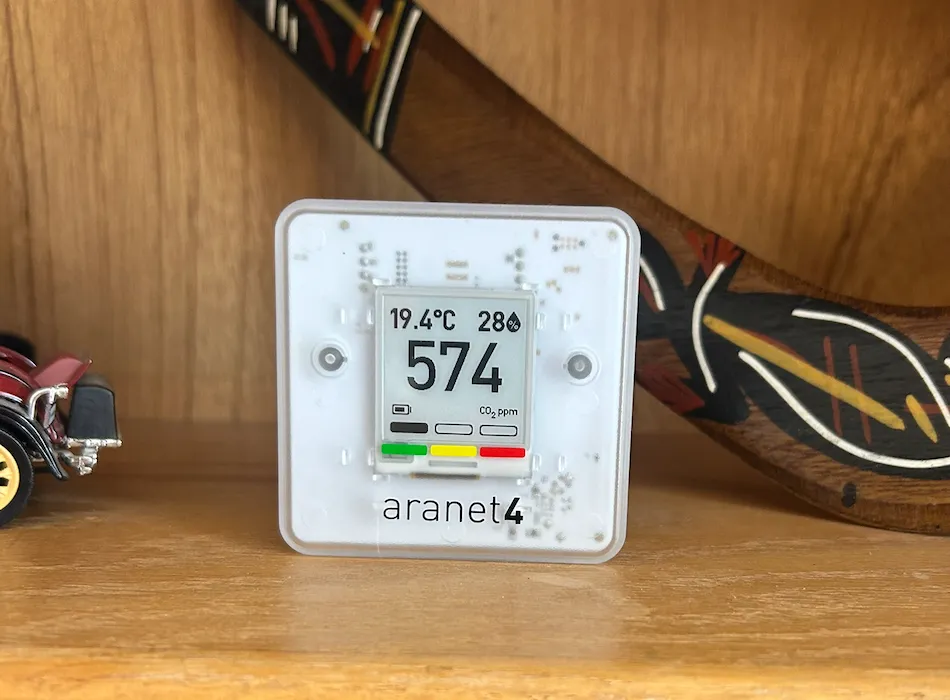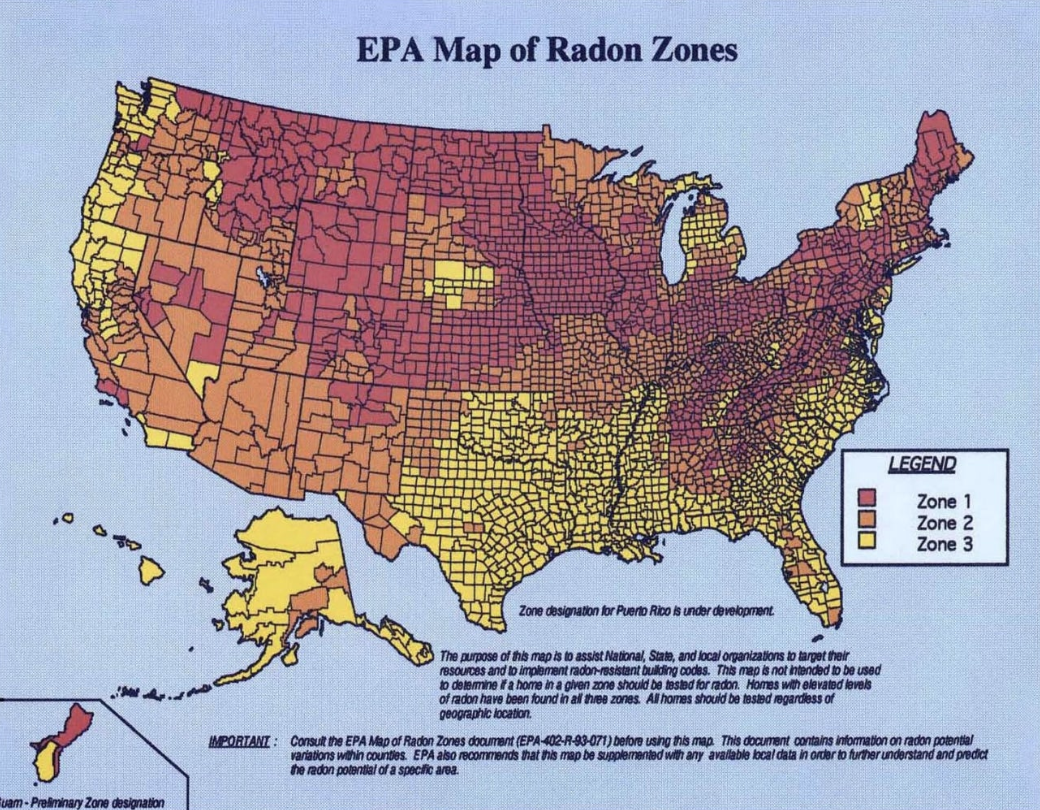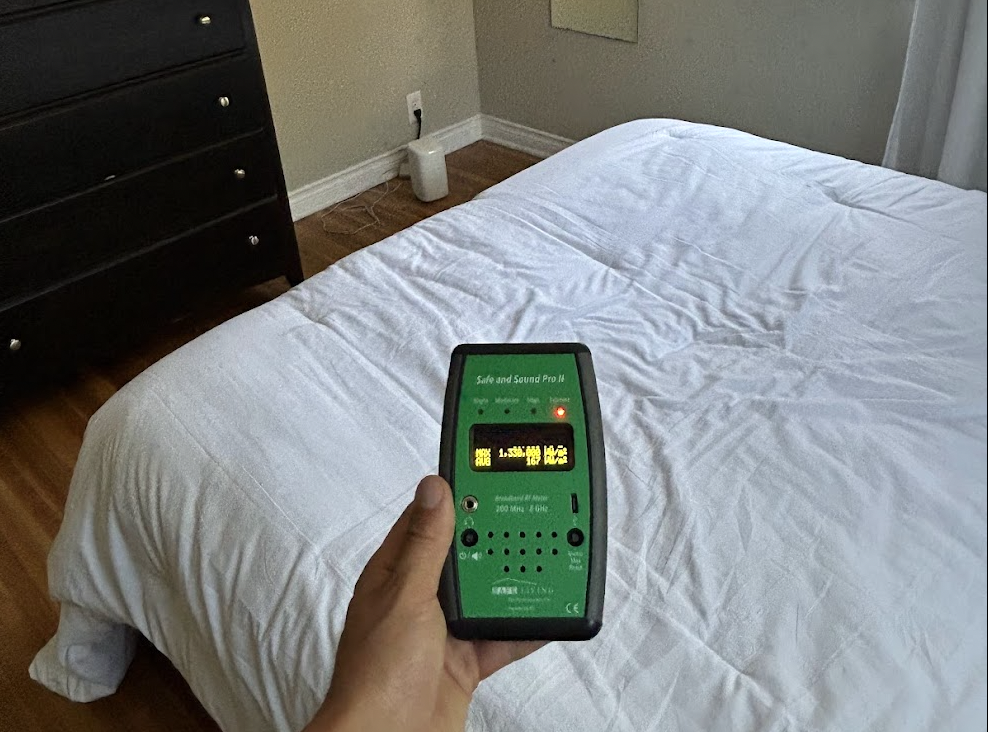
Everyone says a fresh coat of paint changes everything. And they're right — it does. Your walls and ceilings are the largest surface area in your home. The U.S. alone consumes approximately 600 million gallons of interior paint annually. To visualize that: it's equivalent to filling 900 Olympic-sized swimming pools with paint. The market is dominated by Sherwin-Williams and BEHR, with their Duration and Ultra lines being the most popular.
But what's actually in that paint? And what does it do to the air you breathe?
What's In Your Paint?
Paint is a complex mixture of chemicals. Here's what you need to know about the main components:
Titanium Dioxide
The primary white pigment in most paints. It's effective, but here's the concern: titanium dioxide often exists as nanoparticles — particles so small they can penetrate deep into your respiratory system and potentially cross the blood-brain barrier. The long-term health implications of inhaling nanoparticles are still not fully understood.
Binders
Acrylic and latex resins hold pigments together and bind them to the wall. The problem: these binders can release formaldehyde, a known carcinogen and respiratory irritant, both during and after application.
Volatile Organic Compounds (VOCs)
This is the big one. VOCs are organic chemicals that evaporate at room temperature, creating that distinct paint smell. Common VOCs in paint include:
- Toluene
- Xylene
- Ethylene Glycol
- Formaldehyde
Paint is classified as:
- Low-VOC: Less than 50 grams per liter
- Zero-VOC: Less than 5 grams per liter
Biocides and Antimicrobials
These prevent mold and mildew growth in the paint can and on the wall. The problem: isothiazolinones, the most common biocides, are known skin sensitizers and can trigger allergic reactions. They also may have endocrine-disrupting properties.
Fungicides and Heavy Metals
Some paints still contain heavy metals like lead (now banned for interior use in most countries, but still legal in some formulations) and cadmium. Fungicides add their own set of concerns for neurological and endocrine health.
APEs (Alkylphenol Ethoxylates)
These are surfactants that help distribute pigments evenly. They're endocrine disruptors — they mimic estrogen and can interfere with hormone regulation.
Off-Gassing: How Long Does It Last?
Most off-gassing occurs within the first 48 hours of application. But "most" doesn't mean "all." VOCs and formaldehyde can continue off-gassing for up to 6 months, with elevated concentrations lasting 2-3 months in most cases.
The health implications are serious. Exposure to paint VOCs is linked to:
- Respiratory issues (asthma exacerbation, bronchitis)
- Pulmonary effects (reduced lung function)
- Cancers (some VOCs are classified as probable or possible carcinogens)
- Short-term effects: skin irritation, eye irritation, headaches, dizziness, nausea
Lead Paint: The Hidden Hazard
Lead paint was banned for interior residential use in the U.S. in 1978. But millions of homes still have lead paint on their walls. Here's the EPA data on lead paint prevalence:
- 87% of homes built before 1940 contain lead paint
- 69% of homes built 1940-1960 contain lead paint
- 24% of homes built 1960-1978 contain lead paint
- 35% of U.S. homes overall contain lead paint
The hazard isn't the paint itself — it's the dust. When lead paint deteriorates or is disturbed during renovation, it creates lead dust that can be inhaled or ingested. Children are especially vulnerable because their bodies absorb lead more readily, and it interferes with neurodevelopment.
How to Paint Safely
Product Choice
Low-VOC and zero-VOC paints are better, but they're not perfect. Look for GreenGuard Gold or Green Seal certifications, which test for more chemicals than just VOCs. However, be aware that the EPA exempts approximately 30+ VOCs from labeling requirements, and many low-VOC paints still contain unregulated chemicals, biocides, and APEs.
Better options include Healthier Homes (HH) Paint and AFM Safecoat, which address more of these concerns. They're more expensive, but you're breathing the air every day.
Preparation (80% of the Job)
- Fix moisture problems first. Don't paint over wet or damp surfaces.
- Never paint over mold. Clean and remediate it first.
- Prime raw surfaces if needed to minimize off-gassing from substrate.
Ventilation
Open windows and doors. Run fans. Create cross-ventilation. Continue ventilation for at least a week after painting, not just during application. This is critical for flushing VOCs out of your home.
Environmental Conditions
- Temperature: 50-85°F (painting in cold conditions reduces cure rate)
- Humidity: Below 60% (high humidity slows drying and off-gassing)
- Multiple thin coats are better than one thick coat (better adhesion, faster drying, less off-gassing)
Personal Protective Equipment (PPE)
Don't skip this. Use:
- A NIOSH-approved respirator with organic vapor (OV) cartridges plus P100 particulate filters
- Nitrile gloves (latex can be broken down by some solvents)
- Safety glasses to protect your eyes
The Reality
Painting is a necessary part of home ownership and maintenance. But like many home improvements, it comes with chemical exposure. The key is making informed choices: choosing safer products, using proper PPE, ventilating aggressively, and understanding that a fresh coat of paint is only "fresh" if the air you're breathing is actually clean.
Sources
1. ACS Study on Paint Off-Gassing: "Volatile Organic Compounds in Paint: Emissions and Health Effects," American Chemical Society
2. International Journal of Environmental Research and Public Health: Studies on VOC exposure and respiratory/neurological effects
3. EPA Lead Paint Statistics and Guidelines: https://www.epa.gov/lead
We built a bunch of FREE resources for you!
- Take our home health quiz (~5 min)
- View a recent home assessment report
- Try out our indication guide to lead pipes
- See your radon risk with our Minnesota radon map
- Calculate what the best air purifier is for your home from our database
- Schedule a free 15 minute chat with our founder about any questions you have